
December 19, 2025

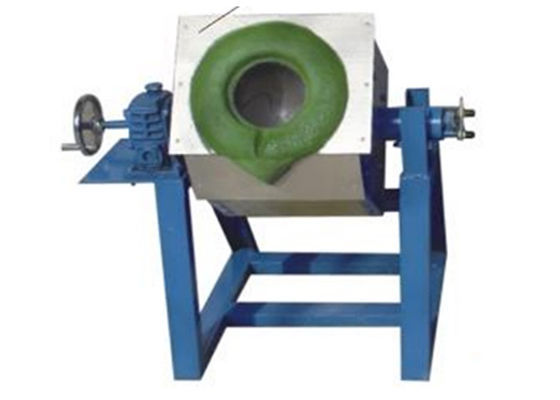
Thinking about adding a 1-ton induction melting furnace to your foundry or recycling operation? It’s a significant investment, but getting it right can transform your efficiency and bottom line. This guide cuts through the noise to give you the practical insights needed in 2024. We’ll walk through the key specs, compare furnace types, and highlight what really matters—beyond just the price tag.
What Really Matters: Key Buying Considerations
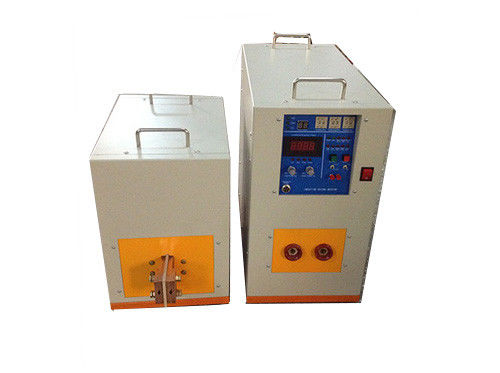
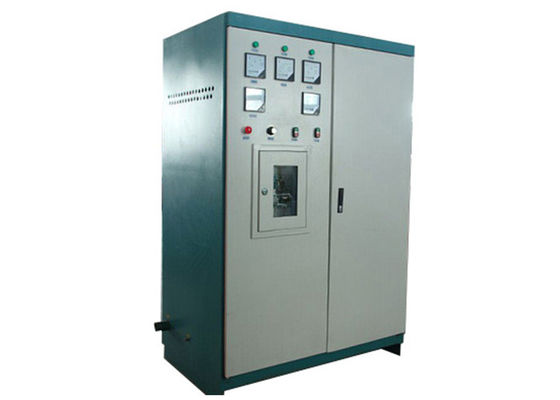
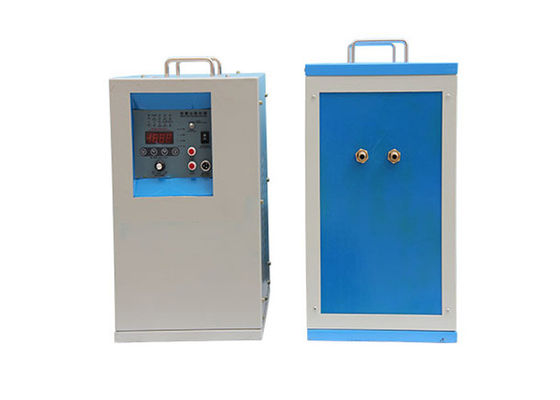
Before you dive into supplier catalogs, let’s get clear on a few technical essentials. Honestly, the “1-ton” label only tells part of the story. The real game-changer is the installed power (in kW), which directly drives your melting speed and operating costs. For instance, a furnace rated at 750 kW will melt a cold charge of steel much faster—think 45 minutes or so—than a 500 kW unit. You’ll also want to scrutinize the power supply frequency (medium frequency is the standard for coreless types) and the melting rate. And a quick heads-up: make sure your facility’s electrical infrastructure can handle the demand, as these units typically require robust three-phase power.
Coreless or Channel? Picking the Right Type
This choice fundamentally shapes your workflow, so let’s break it down simply:
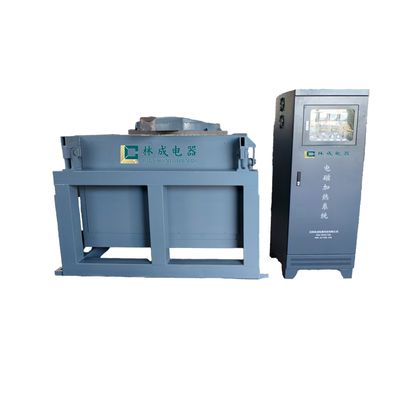
Coreless Induction Furnace: This is your go-to for versatility. Perfect for batch operations, frequent alloy changes, and startups from a cold charge. Maintenance is relatively straightforward, making it a popular choice for many shops.
Channel Induction Furnace: If you’re mainly holding or continuously melting a single alloy, this might be your winner. It’s super efficient for maintaining temperature but requires a starter “heel” of molten metal to operate.
Your 5-Step Selection Blueprint
Feeling overwhelmed? Just follow this straightforward process:
Nail Down Your Process: Start by defining exactly which metals you’ll melt and whether you need batch or continuous operation. This decision will steer everything else.
Crunch Your Throughput Numbers: Figure out how many tons you need per shift. This will point you toward the melting speed and furnace model that keeps your production on track.
Check Your Power Setup: Don’t guess on this one. Have a qualified electrician audit your available voltage, amperage, and grid capacity—it’s a crucial step that avoids costly surprises later.
Get and Compare Quotes: Reach out to several reputable suppliers. When you get quotes, look beyond the initial price; insist on detailed specs, warranty terms, and service support.
Think Long-Term with TCO: The purchase price is just the entry fee. For a true picture, factor in long-term energy use, refractory lining lifespan, and spare part costs to calculate the real Total Cost of Ownership.
A Quick Reality Check
Pro Tip: Here’s a common pitfall to avoid: focusing solely on the furnace capacity. Remember, the installed power (kW) is what truly determines performance. Two 1-ton furnaces with different power ratings will behave like completely different machines. Always compare the kW!
Straight from the Industry: Practical Insights
From real-world use, we know that modern 1-ton furnaces with efficient water-cooling systems can slash your energy bills. Thanks to advanced inverters and smart power controls, a well-designed medium-frequency system can achieve impressive overall electrical efficiencies—often in the 75-80% range. That’s a tangible boost to your profitability.
Wrapping It Up
Choosing the right 1-ton induction melting furnace boils down to a clear-eyed analysis of your specific metals, production goals, and facility limits. By prioritizing installed power, selecting the appropriate furnace type, and rigorously evaluating the total cost of ownership, you’re not just buying a piece of equipment—you’re making a strategic, long-term investment for your business.
Frequently Asked Questions
Q1: How much power will I actually need?
A: For melting steel, you’ll commonly see requirements between 500 and 800 kW. Your best move is to give manufacturers your specific material and desired cycle time for a precise calculation.
Q2: How often will I need to reline the furnace?
A: It varies quite a bit. For ferrous metals, a standard lining might handle 200-300 heats, but a premium lining paired with careful maintenance can often push past 500 heats.
Q3: Can I switch between different metals?
A: Absolutely, if you’re using a coreless furnace. Just remember that a thorough cleaning between melts is non-negotiable to prevent cross-contamination of your alloys.
Q4: What are the top safety priorities?
A: Never skimp on comprehensive operator training. Also, ensure the water-cooling system is flawless, install ground fault protection, and mandate proper PPE for anyone near the molten metal.
Q5: Is it a more environmentally friendly choice?
A: Generally, yes. Unlike gas furnaces, induction produces no direct on-site combustion emissions and is highly efficient. The full environmental footprint, though, is still tied to how your local electricity is generated.
Your Pre-Purchase Checklist
By taking this structured approach, you can move forward with confidence and find the perfect 1-ton induction melting furnace that fits your operation like a glove.