
January 7, 2026

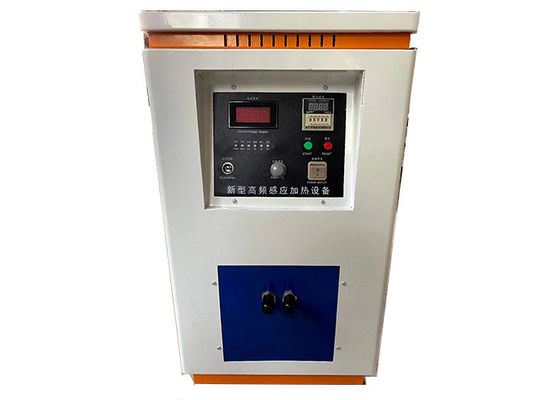
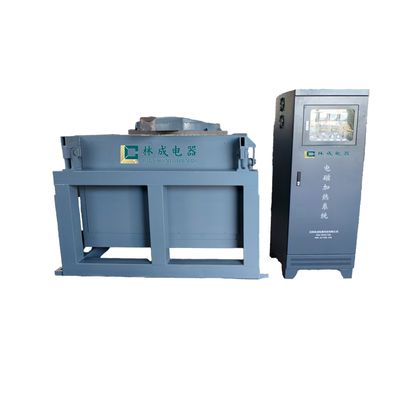
In the metal casting industry, choosing the right equipment can make all the difference. Today, let's delve into a highly practical piece of equipment for small to medium-sized workshops and foundries—the 100kg Induction Furnace. Whether you're planning to upgrade your production line or purchase a core melting tool for your startup workshop, this latest 2024 guide will provide you with practical purchasing knowledge and advice on avoiding pitfalls, helping you spend your money wisely.
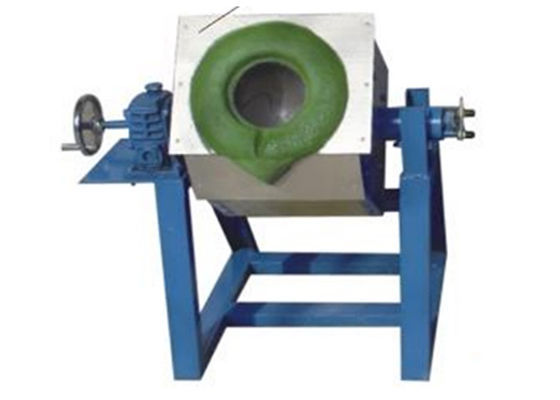
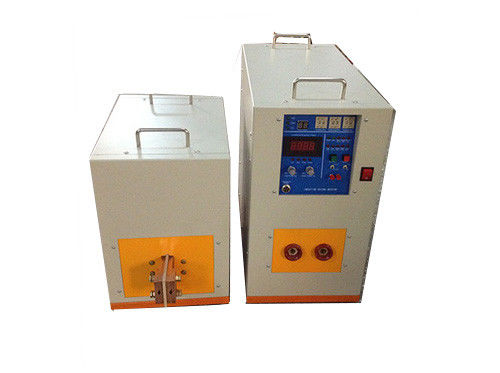
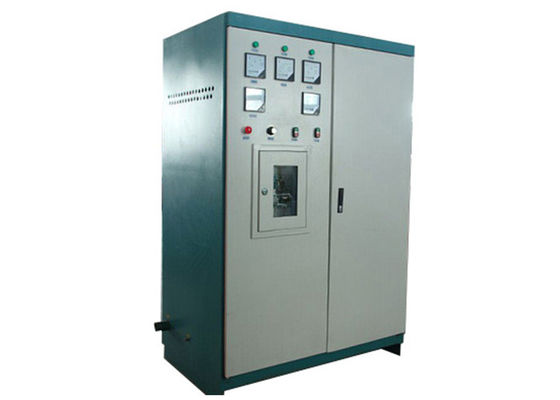
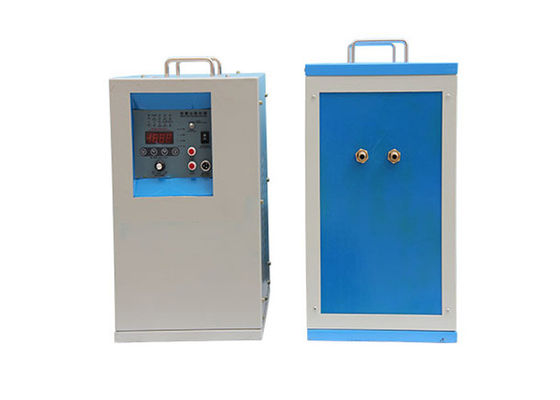
Simply put, a 100kg Induction Furnace uses the principle of electromagnetic induction to generate heat within the metal itself, causing it to melt. This method is not only clean but also highly thermally efficient. The "100kg" refers to its capacity for melting metals like iron, aluminum, or copper in a single batch. Modern equipment offers very precise temperature control, which is crucial for ensuring alloy properties. Honestly, the most noticeable improvements after upgrading to such a furnace are the increased melting speed and more consistent quality of each batch of molten metal.
Don't just look at the price when making a purchase. The following factors are the real keys to success:
There are two main structural types on the market: coreless (crucible) furnaces and channel (core-type) furnaces. Their characteristics are quite different:
Here's a common misconception to remind everyone: Avoid the temptation to buy oversized capacity. If a 100kg furnace is consistently used to melt only 50kg, not only will its operating efficiency decrease, but it may also increase energy consumption and metal oxidation losses. Therefore, choosing the right capacity is crucial.
When searching for terms like "induction melting furnace" or "foundry furnace," besides the price of the equipment itself, it's even more important to calculate the long-term cost—the Total Cost of Ownership (TCO). This includes electricity costs, replacement costs for consumable parts (like crucibles), and daily maintenance expenses. It's worth noting that the thermal efficiency of induction melting easily exceeds 75%, far more energy-efficient than fuel-fired furnaces. Moreover, with proper routine maintenance, the electricity savings alone can be very substantial.
For any induction furnace, regular maintenance is the only way to extend its lifespan. Before each operation, be sure to carefully inspect the crucible for cracks; regular checks of the electrical and cooling systems must also be scheduled. Safety is even more critical: protective gloves, face shields, and aprons must be worn properly, and the operating area must be kept dry, tidy, and well-ventilated. Remember, safety is the highest form of efficiency.
Choosing the right 100kg induction furnace directly impacts your production efficiency, product quality, and long-term operating costs. As long as you clarify your primary melting metal, power supply conditions, and production model, while avoiding common pitfalls like "excessive capacity," you can find that truly efficient and reliable piece of equipment that becomes the cornerstone of your business.
Q1: What power rating does this type of furnace generally require?
A: There's no fixed answer; it depends on what you're melting. For example, melting cast iron typically requires a 100kg furnace with a power rating between 100 to 160 kilowatts. The most reliable method is to directly consult the product specifications of the brands you're considering.
Q2: How long does it take to melt 100kg of metal?
A: The time depends on the metal type and furnace power. For instance, a 125 kW furnace might take approximately 45 to 55 minutes to melt 100kg of steel.
Q3: Can one furnace melt different metals?
A: For a coreless (crucible) furnace, the answer is yes. However, the key operation is: the furnace body must be thoroughly cleaned before changing metals, and it's best to use dedicated crucibles for different metals to strictly prevent cross-contamination.
Q4: What are the main advantages compared to a gas furnace?
A: The advantages of induction furnaces are very focused: precise temperature control, a much cleaner workshop environment, significantly higher energy utilization, and an overall safer operating environment.
Q5: Is maintenance very complicated?
A: It requires regular maintenance, but it's not overly complex. The core tasks are regularly checking the crucible condition, cooling system operation, and cleaning electrical contact points as per the manufacturer's manual. Develop good habits, and the equipment will be very "obedient."
Your Pre-Purchase Checklist: