
January 9, 2026

Whether you're a metal artisan, jewelry maker, or foundry owner, choosing the right copper melting furnace is crucial—it directly impacts the quality of your work, operational safety, and overall costs. If you're hesitating about which equipment to purchase, don't worry. This guide will systematically introduce you to the current mainstream types of copper melting furnaces and share some valuable purchasing insights for 2024.
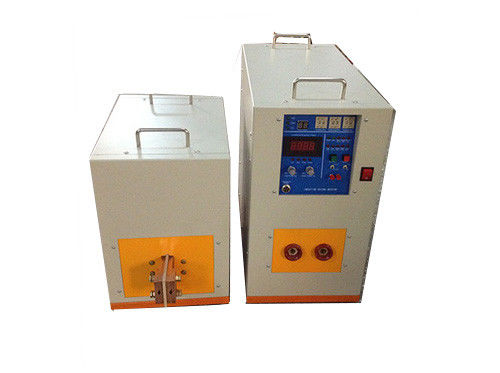
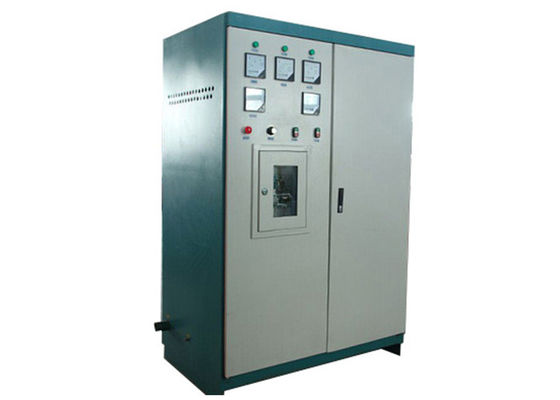
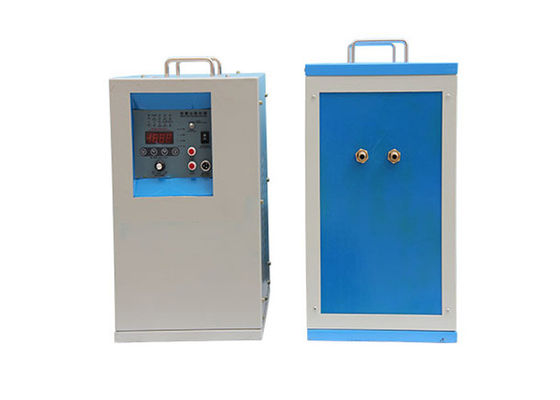
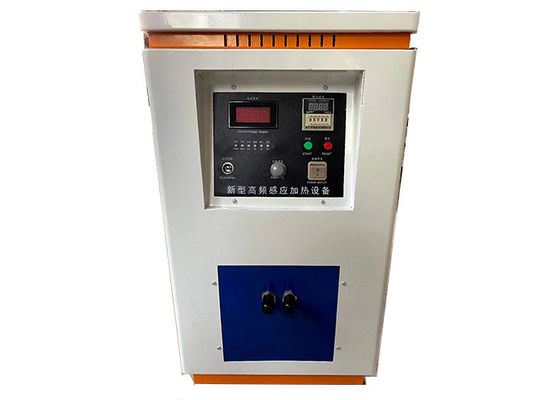
1. Induction Melting Furnace
This type of furnace uses an electromagnetic field for heating. It offers fast melting speeds and a clean process, making it almost tailor-made for copper melting. Its advantages lie in extremely precise temperature control and very high energy efficiency, making it particularly suitable for scenarios requiring precision or high-volume production.
2. Crucible Furnace (Fuel-Fired)
Typically fueled by propane, these furnaces are flexible and portable, making them a favorite among many hobbyists and small studios. If you're just starting with metal melting or need to frequently change work locations, this could be a good starting point.
3. Arc Furnace
This furnace melts large quantities of copper scrap using a high-current electric arc and is commonly used in industrial-scale copper recycling. Simply put, its advantages become apparent when processing volumes reach a certain scale.
4. Reverberatory Furnace
Its heating method is quite distinct: flames or hot gases heat the metal from above. It's suitable for large-scale, continuous production operations. These furnaces are usually permanently installed and are more common in large foundries.
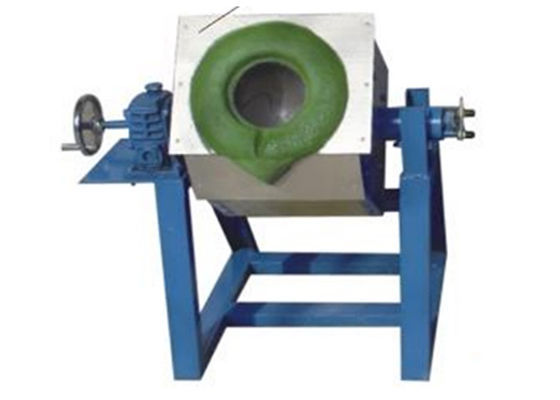
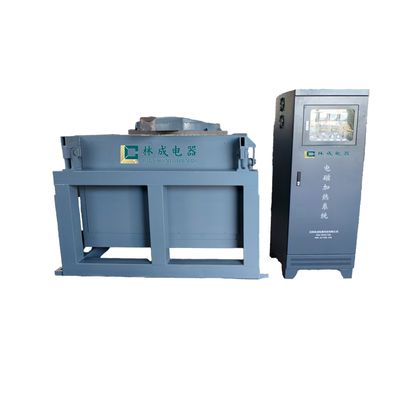
5. Tilting Melting Furnace
As the name suggests, this design prioritizes safer and more ergonomic pouring of molten metal. It's not an independent heating method itself; it can be built with either induction or fuel heating. The core feature is the convenient tilting mechanism.
Quick Comparison Overview
First, you need to clarify your melting volume and frequency of use—are you making small pieces occasionally, or operating the furnace daily? This directly determines the scale of equipment you need.
Next, consider what energy sources are readily available. Can your workshop access high-voltage electricity? Or is bottled gas more convenient? This point is often overlooked by beginners but is very practical.
Of course, safety always comes first. Features like automatic shut-off and overheat protection are essential. Furthermore, good ventilation is a must for any furnace type; never operate in an enclosed space.
Finally, let's consider the long-term costs. For example, an induction copper melting furnace might have a higher initial investment, but its energy efficiency is remarkable. Modern models can achieve thermal efficiencies exceeding 90% for non-ferrous metals. The more frequently you use it, the more significant the energy savings become.
Important Reminder: For metal fires potentially caused by a copper melting furnace, only use a Class D fire extinguisher. Using water or a standard extinguisher can cause a violent reaction and is extremely dangerous!
Choosing the right copper melting furnace ultimately comes down to clarifying your real needs: What is your production volume? How high are your precision requirements? What is your budget? By matching the furnace type to your work scale and prioritizing safety and energy efficiency, you can make a wise, long-term investment.
Q1: What temperature is needed to melt copper?
A: Copper's melting point is approximately 1084°C. In practical casting, to achieve good fluidity, the melting furnace temperature is typically controlled within the range of 1150°C to 1200°C.
Q2: Can I use a steel crucible to melt copper?
A: This is not recommended. To avoid iron contamination, it's best to use a dedicated crucible made of graphite or clay-graphite in a copper melting furnace.
Q3: How much does an industrial furnace cost approximately?
A: The price range is very wide. Simple furnaces for hobbyists might start around $500, while investment in large industrial-grade systems can run into hundreds of thousands or even more.
Q4: Is it safe to melt copper at home?
A: This activity carries significant risks and requires extreme caution. It demands full protective gear and a dedicated, exceptionally well-ventilated space to guard against burns, fires, and harmful fumes.
Q5: Which furnace type is the most energy-efficient?
A: Currently, induction melting furnaces are typically the most energy-efficient option. Because they heat the metal directly, heat loss is minimal, making them a highly efficient solution for copper melting.