
January 6, 2026

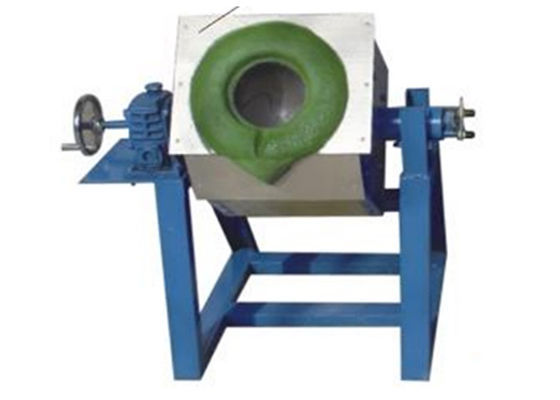
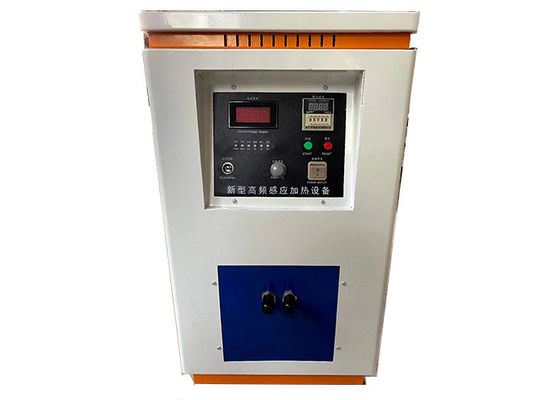
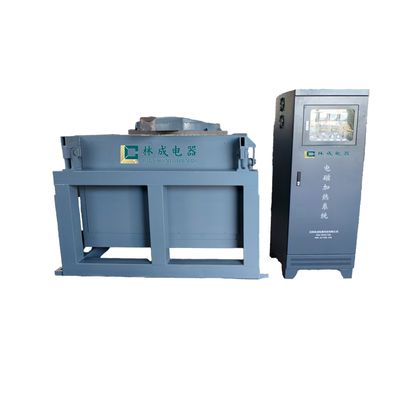
Here’s the core idea: instead of using an open flame, these furnaces use electromagnetic fields to heat the metal directly from within. What does that mean for you? Well, because there’s so little heat escaping into the air, the process becomes incredibly efficient. In fact, compared to many traditional gas furnaces, you could be looking at energy savings of 20-30%. That’s a direct hit to your operating costs and your carbon footprint.
Ever worry about inconsistent quality? The electromagnetic process has a neat side effect: it gently stirs the molten metal. This creates a perfectly uniform melt with even temperature and composition throughout. The result? You get fewer impurities, less metal lost to oxidation, and a significantly higher yield of top-tier material. It’s a straightforward way to boost both quality and profitability.
Safety is paramount, and induction furnaces deliver on this front. By eliminating open flames, they drastically cut down on fire risks. But the benefits don’t stop there. With precise digital controls, operators can run repeatable, consistent batches from a cooler and cleaner control panel. It transforms the working environment, making it safer and more manageable—a true hallmark of modern recycling.
Need to melt a batch quickly or switch between different metal alloys? An induction furnace is your best friend. It melts charges rapidly, and because the process is so contained, switching between materials like aluminum and steel is straightforward with minimal cross-contamination. This flexibility is perfect for operations that handle a wide variety of scrap.
If sustainability is on your agenda, this feature is key. Induction furnaces produce far fewer direct emissions—think particulate matter and greenhouse gases—than their fossil-fuel-burning counterparts. By choosing this technology, you’re not just improving your process; you’re actively supporting circular economy goals and cleaner industrial practices.
How does the new stack up against traditional cupola or air furnaces? Let’s break it down:
| Feature | Induction Furnace | Traditional Cupola/Air Furnace |
|---|---|---|
| Energy Source | Electricity | Coke, Gas, or Oil |
| Melt Efficiency | Very High | Lower |
| Emissions | Very Low | High |
| Metal Yield/Loss | High Yield, Low Loss | Lower Yield, Higher Loss |
| Operational Control | Precise digital control | Less precise, more manual |
| Alloy Flexibility | Excellent | Poor |
A Quick Word on Cost: It’s true, electricity prices are a factor. However, focusing solely on that misses the bigger picture. When you consider the total cost of ownership—including higher metal recovery rates, lower maintenance on refractories, and reduced spending on pollution controls—the induction furnace often comes out as the more economical choice over time.
Curious about the actual process? Here’s a typical step-by-step flow:
Get Your Scrap Ready: It starts with sorting and sizing your scrap metal before loading it into the furnace crucible.
Start the Melt: Once the lid is secured, powering on the system creates a magnetic field around the coil, which heats the metal charge directly and efficiently.
Refine the Batch: After the metal is molten, it’s superheated to the perfect temperature. This is also the stage where you’d add any specific alloys or refining fluxes.
Check and Clean: The slag that rises to the top is skimmed off, and a small sample is taken to verify the chemical composition meets spec.
Tap Out and Inspect: Finally, the pure molten metal is poured out. Many modern systems use automated pouring for even greater throughput. After tapping, a quick inspection of the furnace lining ensures everything is ready for the next cycle.
So, is a metal recycling induction furnace a good investment? The evidence points to yes. By offering a powerful combination of energy efficiency, superior metal quality, enhanced safety, and strong environmental credentials, this technology provides a clear path forward. It enables recyclers to not only improve their bottom line but also become a more sustainable link in the industrial chain.
Q1: What metals can I actually melt in one of these?
A: They’re remarkably versatile! Induction furnaces excel with both ferrous metals (like steel and iron) and non-ferrous ones (including aluminum, copper, and brass).
Q2: Are maintenance costs a headache?
A: The upfront cost can be higher, but day-to-day maintenance is often simpler and less expensive. Your main focus will be on the refractory lining and the cooling system, which are more predictable than managing combustion systems.
Q3: How “green” is it really?
A: Its environmental contribution is twofold: phenomenal energy efficiency and dramatically lower direct emissions at the point of melting. This makes it a cornerstone technology for true closed-loop, sustainable recycling.
Q4: Can I throw in dirty, oily scrap?
A: You can, but it’s not ideal. For the best performance, safety, and longevity of your furnace lining, we strongly recommend pre-cleaning or pre-treating heavily contaminated scrap.
Q5: How long will the furnace last?
A: The furnace structure itself is built to last for decades. The refractory lining is a wear part; its lifespan depends on use but typically lasts for several hundred heating cycles before needing replacement.
Considering an Upgrade? Your Practical Checklist:
For any operation serious about efficiency, quality, and sustainability, taking a close look at the advanced induction furnace is a logical and promising step.