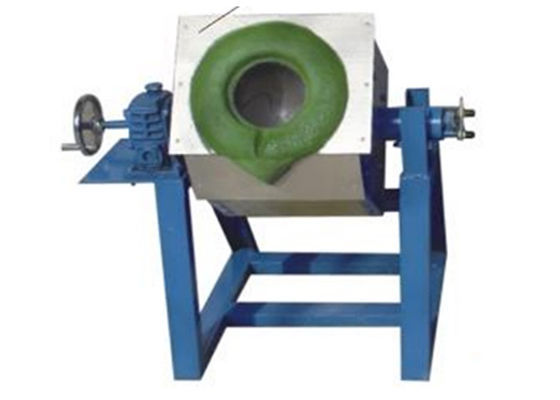
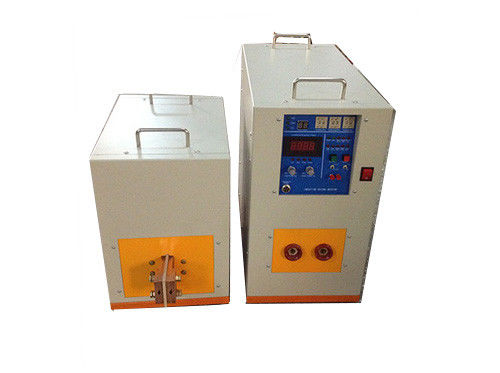
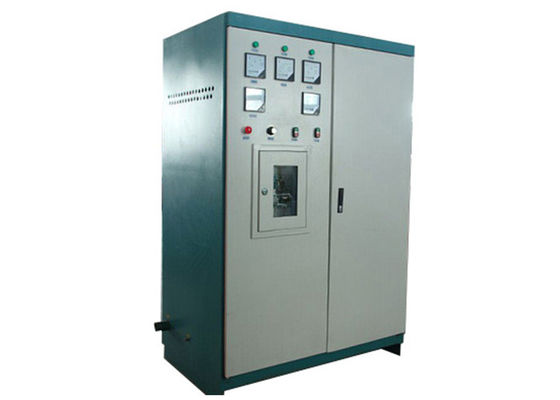
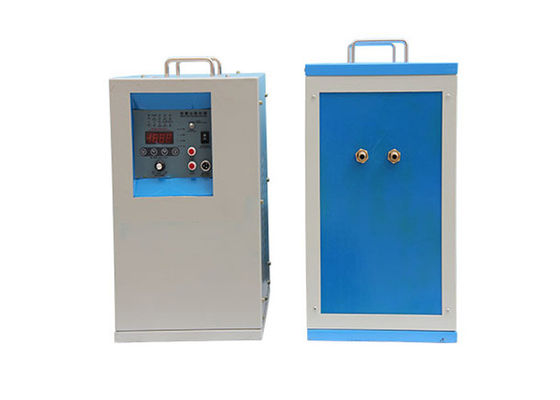
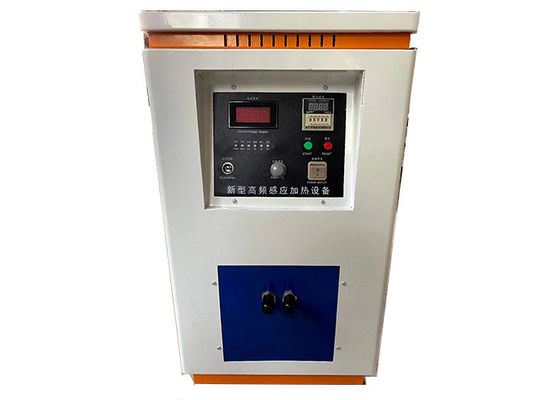
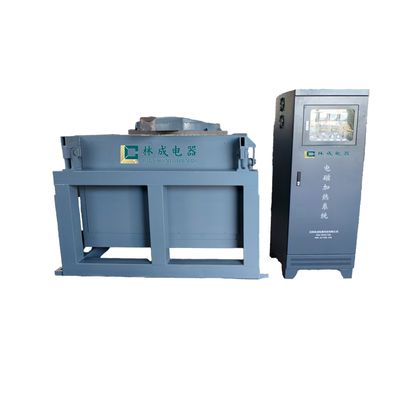
If you are looking for a more efficient and precise heating solution for metal processing, jewelry making, or industrial heat treatment, a high-frequency induction heater may be your ideal choice. Relying on advanced electromagnetic induction principles, this type of equipment can quickly and safely heat metal materials from the inside. Whether it is a professional production workshop or a personal studio, it can improve work efficiency and process quality with its unique advantages. This guide is specially created for 2024 to help you clarify your purchasing ideas, avoid misunderstandings, and accurately find the model that suits your needs.
Main Content
High-Frequency Induction Heating Technology: How Does It Work?
Simply put, a high-frequency induction heater is like an "invisible heat source". It generates an alternating magnetic field, which causes eddy currents to be generated inside the metal workpiece and converted into heat, achieving rapid and uniform heating from the inside out. The core advantages of this heating technology lie in precise temperature control, extremely fast heating speed, no open flame or smoke throughout the process, which can effectively improve the safety and cleanliness of the working environment. Whether it is induction brazing, metal quenching, annealing treatment, or hot forging, hot assembly and other processes, it can show efficiency and stability that are difficult to achieve by traditional heating methods.
Top 5 High-Frequency Induction Heaters to Watch in 2024
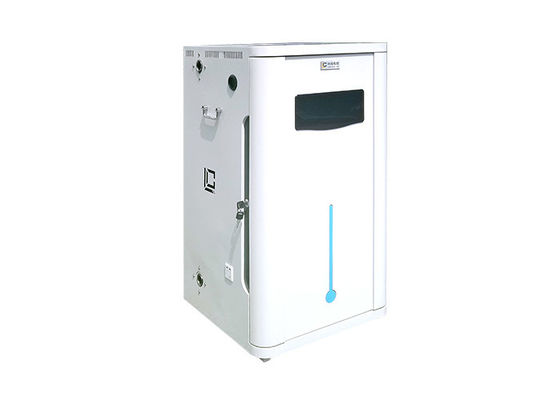
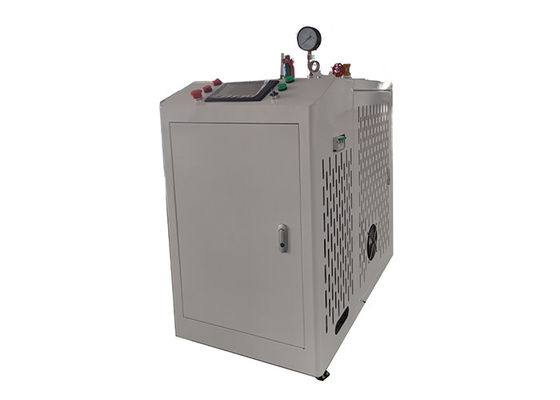
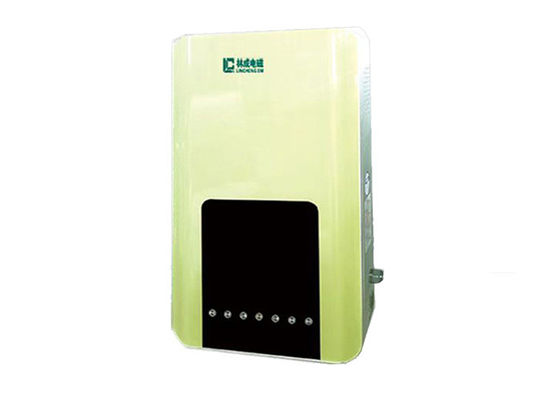
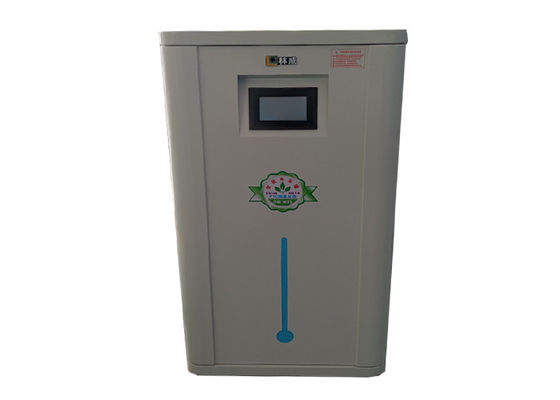
Based on market reputation, performance tests and user feedback, the following 5 models have performed outstandingly in 2024, covering different power ranges and application scenarios, which can be flexibly selected according to your own needs:
|
Model
|
Power Output
|
Application Scenarios
|
Core Highlights
|
|
ProHeat Ultra 2024
|
15kW
|
Industrial Workshops
|
Intelligent CNC system, stable operation, suitable for high-intensity continuous work
|
|
DiyMaster 3.0
|
5kW
|
Hobbyist DIY, Small Studios
|
Easy-to-understand operation interface, lightweight body, easy to move and store
|
|
FusionForge Pro
|
10kW
|
Jewelry Precision Work, Precision Metal Processing
|
Micro-precision temperature control adjustment, uniform heating, can accurately control detailed processes
|
|
Induxtrix PowerMax
|
25kW
|
Heavy Forging, Large Workpiece Processing
|
High duty cycle, excellent heat dissipation performance, can operate stably for a long time
|
|
HeatSync Compact
|
2.5kW
|
Electronic Maintenance, Lightweight DIY, Small Workpiece Heating
|
Outstanding cost performance, low difficulty in getting started, low energy consumption, suitable for daily lightweight use
|
Five-Step Purchasing Guide: Help You Avoid Common Pitfalls
The purchase of high-frequency induction heaters needs to balance practicality and adaptability. Mastering the following five-step method can effectively avoid common misunderstandings in the market and accurately select models:
- Clarify Core Purpose: First, clarify the main application scenario of the equipment - is it used for induction forging, brazing, quenching, precision metal processing, or electronic maintenance? Different uses directly determine the core requirements for equipment power, temperature control accuracy and functions, avoiding blind model selection.
- Match Reasonable Power: The power selection needs to be accurately matched with the workpiece size and heating requirements. Under normal circumstances, 5-15kW models can meet the needs of most small and medium-sized studios and individual users; heavy industrial scenarios can choose models above 20kW. Remember: power is not the bigger the better, adaptation is the key.
- Pay Attention to Duty Cycle: If long-term continuous work is required (such as industrial production lines), be sure to choose a model with a high duty cycle (such as 100% duty cycle), otherwise the equipment is prone to overheating protection, fault shutdown and other problems, affecting work efficiency. The requirement for duty cycle can be appropriately reduced for home and lightweight use.
- Check Accessory Compatibility: This is the most easily overlooked key point - confirm whether the equipment supports the induction coils, fixtures, temperature measurement accessories, etc. you need. The coil interfaces and adaptation specifications of different models may be different, and confirming in advance can avoid subsequent failure to use normally.
- Balance Budget and Long-Term Benefits: Find a balance between the purchase budget and long-term use benefits. Although the initial investment of high-quality high-frequency induction heaters is relatively high, their electric energy conversion efficiency is more than 50% higher than that of traditional heating methods, and they have a long service life and low maintenance costs, which are more cost-effective in the long run.
Important Reminder: Do not blindly pursue high power. Using high-power equipment to process small workpieces will not only cause waste of electrical energy and low heating efficiency, but also may damage the workpiece material due to too fast heating and out-of-control temperature control, which is not worth the loss.
Core Functions and Usage Experience
When purchasing, it is recommended to give priority to the three core functions of the equipment: automatic frequency tracking, precise temperature control and complete safety protection (such as overheating protection, overcurrent protection, leakage protection). The installation of the equipment also has precautions: it should be placed in a well-ventilated, dry and clean environment to avoid moisture and dust accumulation; at the same time, equip the equipment with an independent dedicated circuit (for example, a 10kW model usually requires a 240V stable power supply) to prevent voltage instability from damaging the equipment. When using it initially, it is recommended to practice with scrap materials first, and be familiar with the heating time, the placement angle of the coil and the distance from the workpiece. These details directly determine the heating effect and process precision.
Summary
Choosing the right high-frequency induction heater lies in "clarifying needs and precise adaptation" - clarifying your own application scenarios, reasonably evaluating power and function needs, and seizing key points such as duty cycle and accessory compatibility, you can avoid purchasing misunderstandings. It is hoped that the model recommendations, purchasing steps and usage skills in this guide can provide you with practical help. Investing in a suitable high-frequency induction heater can not only greatly improve work efficiency and process quality, but also reduce long-term energy consumption costs, becoming an efficient and reliable "heat assistant" on your workbench.
Frequently Asked Questions - FAQs
Q1: Is this equipment safe to use? A: As long as it is used in strict accordance with the operating specifications, it is extremely safe. The induction coil of the equipment itself has a low temperature and will not produce open flames, but the heated metal workpiece has an extremely high temperature (up to several hundred degrees or even thousands of degrees). Therefore, be sure to wear high-temperature resistant protective gloves, protective glasses and other labor protection supplies during operation to avoid scalding. At the same time, the multiple safety protection functions equipped with high-quality models can further ensure operational safety.
Q2: Can it heat non-metallic materials? A: No. The core principle of high-frequency induction heating is to use an alternating magnetic field to make conductive materials generate eddy currents to generate heat. Non-metallic materials (such as plastic, glass, wood, etc.) are non-conductive and cannot generate eddy currents, so they cannot be induction heated.
Q3: What are the advantages compared with traditional spray guns? A: Compared with traditional spray gun heating, high-frequency induction heaters have obvious advantages: ① Faster heating speed, 30%-50% efficiency improvement; ② Lower energy consumption, high electric energy conversion efficiency, no waste of excess heat; ③ More precise temperature control, can accurately control the heating position and temperature, avoiding local overheating or uneven heating; ④ Clean and pollution-free, no open flame or smoke, improving the working environment; ⑤ Good repeatability, stable heating effect, suitable for mass production.
Q4: How long can one machine last? A: The service life of the equipment mainly depends on the quality and maintenance. High-quality high-frequency induction heaters (such as the models recommended in the guide), under the premise of normal use and regular maintenance (such as cleaning coils, checking circuits, cleaning heat sinks), can have a service life of 10-15 years, and some industrial-grade models can even be used longer.
Q5: Is the usage cost very high? A: Not really. Although the initial purchase cost of high-frequency induction heaters is higher than that of traditional heating equipment, the long-term use cost is lower: on the one hand, its electric energy conversion efficiency is high, and the energy consumption is more than 50% lower than that of traditional spray guns, electric furnaces, etc.; on the other hand, the equipment maintenance is simple, the maintenance cost is low, and the service life is long, so there is no need to replace the equipment frequently, and the comprehensive long-term use benefit is more advantageous.