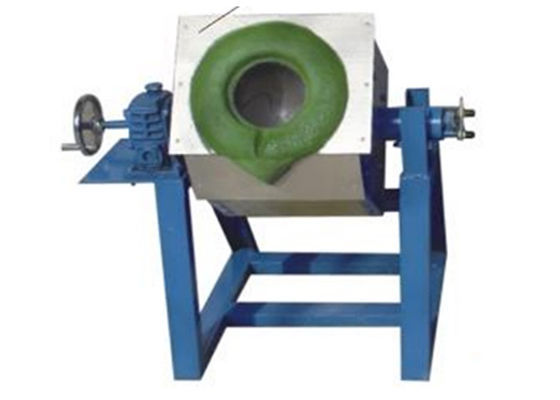
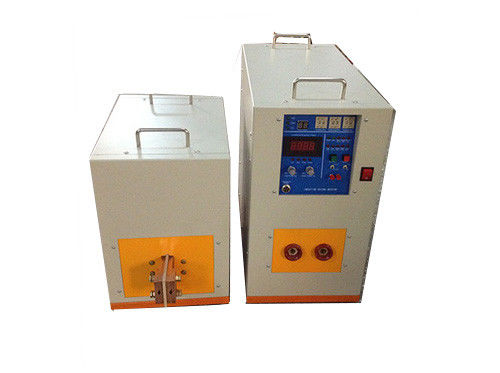
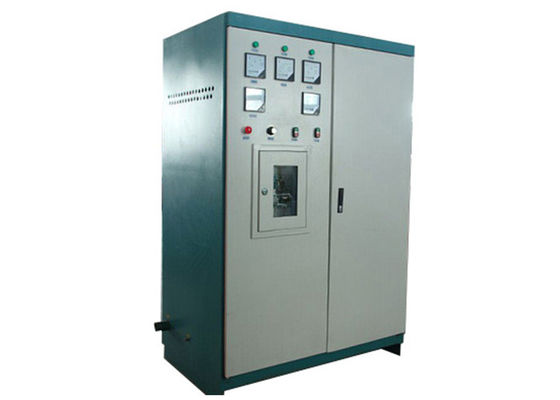
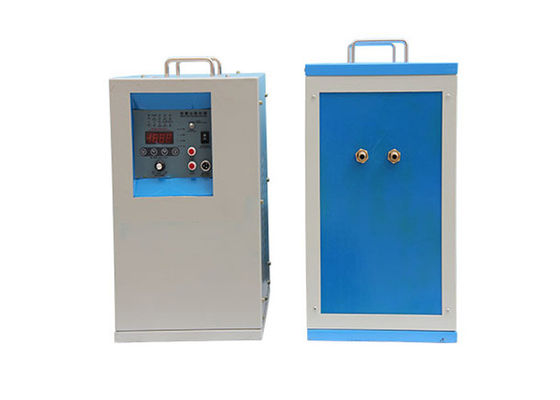
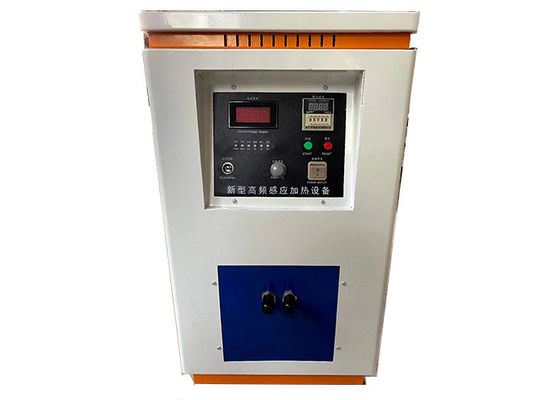
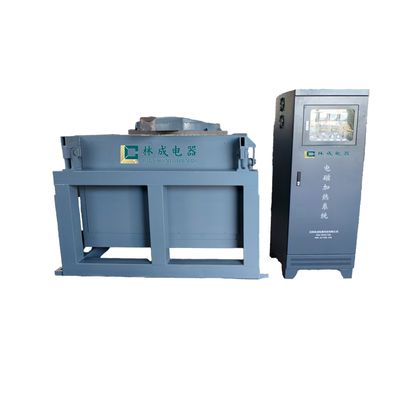
For foundry workshops, proactive maintenance of induction furnaces is the key to ensuring safe production, efficient operation and stable profitability in 2024. A rigorous maintenance plan directly affects melting quality, energy consumption and crucible service life. Conversely, negligence can easily lead to costly unexpected failures. Today, we will elaborate on the seven core steps to keep your equipment in optimal condition.
Know Your Furnace: Core Components Requiring Special Attention
Several components demand extra care in your daily maintenance schedule:
Power Supply and Inverter: Serving as the "heart" of the entire system, they convert grid power into the form required by the furnace.
Induction Coil: The core component that generates the electromagnetic field, directly determining melting efficiency.
Refractory Lining/Crucible: The "inner container" that withstands high temperatures and chemical corrosion, whose condition defines the safety baseline.
Cooling System: Acting as the equipment's "radiator", it dissipates heat from critical components and should never be underestimated.
Electrical Connections and Busbars: The "highway" for efficient power transmission; loose connections can lead to severe problems.
A Ready-to-Use 7-Step Maintenance Checklist
Daily Tasks: Walk around the equipment to check for water leakage; monitor and record whether the cooling water pressure and temperature are within normal ranges.
Weekly Tasks: Test the quality of cooling water, focusing on conductivity and pH value; clean filters and strainers promptly.
Biweekly Tasks: Tighten all electrical connections; use a thermal imager to scan for abnormal "hot spots" in a timely manner.
Monthly Priorities: Measure and record the thickness of the refractory lining, which helps effectively predict its remaining service life.
Quarterly Maintenance: (Ensure power is cut off before operation) Carefully inspect capacitors for bulging or leakage; dust the electrical cabinet to keep it clean.
Semiannual Inspection: Conduct a comprehensive check of the induction coil for scaling, pitting corrosion or insulation layer damage.
Annual Overhaul: Perform a thorough deep maintenance: pressure test the entire cooling circuit, recalibrate all sensors, and carry out detailed electrical safety tests.
Common Misconceptions About Furnace Maintenance
Many people assume, "If the furnace is melting properly, the cooling system must be functioning fine." This is a dangerous misunderstanding. The decline in cooling efficiency is often gradual and hard to detect. Poor water quality causes gradual scaling inside the coil – a top maintenance priority – leading to inadequate heat dissipation, invisible overheating of the coil, and eventual sudden breakdown. Therefore, active monitoring is always more cost-effective than passive response.
The Economics: Preventive Maintenance vs. Breakdown Repair
Preventive maintenance is a planned, budgetable expense, with relatively fixed downtime for maintenance. Repairing equipment after a failure can cost 3 to 5 times more! This excludes rush fees for emergency repairs, massive production losses, as well as the subsequent higher safety risks and shortened equipment life. By all accounts, proactive maintenance is the wiser choice.
Data-Driven, Smarter Maintenance
Nowadays, we can better leverage operational data to optimize maintenance strategies. For example, continuously tracking indicators such as "energy consumption per heat" and "lining wear rate" can provide early warnings of potential problems. Practice has shown that this condition-based monitoring model can reduce maintenance costs by up to 25% and cut the unexpected failure rate by more than 70%.
Conclusion
In essence, adhering to regular maintenance for induction furnaces is a crucial investment. From daily routine inspections to annual comprehensive overhauls, following a strict maintenance schedule not only prevents troubles before they occur but also ensures your equipment operates safely, reliably and efficiently year-round.
Frequently Asked Questions
Q1: How often should the refractory lining be replaced?
A: Do not rely on a fixed time frame – data is the key. It is recommended to measure the lining thickness monthly. Replacement must be carried out immediately once the wear approaches the minimum safe thickness specified by the manufacturer.
Q2: Can tap water be used directly in the cooling system?
A: Strongly not recommended. Deionized water or treated water added with corrosion inhibitors is the optimal choice. This is a fundamental principle of maintenance, designed to prevent scaling and corrosion inside the copper coil.
Q3: What is the most common cause of induction coil failure?
A: The vast majority are caused by overheating due to insufficient cooling. This may result from insufficient water flow, clogged filters, poor water quality or pump failures – all issues that should be identified and resolved during routine maintenance.
Q4: Are specialized tools required for maintenance?
A: Several tools can greatly improve maintenance efficiency: a thermal imager for inspecting electrical connections, a water quality meter for monitoring water quality, and a thickness gauge pin or laser rangefinder for measuring lining thickness.