Home/News/2026 Residential Electromagnetic Boiler Guide: 5 Best Models & Prices
2026 Residential Electromagnetic Boiler Guide: 5 Best Models & Prices
January 16, 2026
In recent years, a heating device called an "electromagnetic boiler" has begun to enter people's vision. It uses the principle of electromagnetic induction for heating, and is said to be not only extremely energy-efficient but also long-lasting. With energy costs on the rise, many friends are considering replacing their home heating systems. This guide aims to talk in detail about residential electromagnetic boilers and help you determine if it’s the "right fit" for your home.
How Does an Electromagnetic Boiler Work?
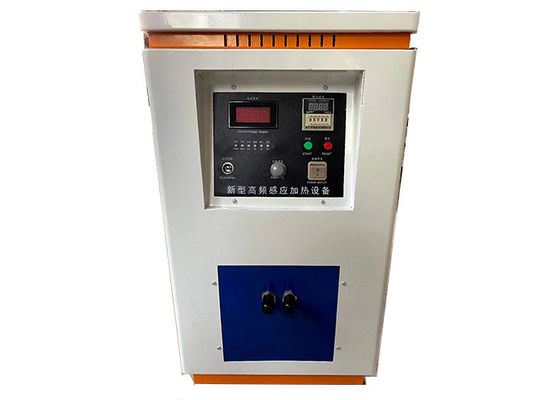
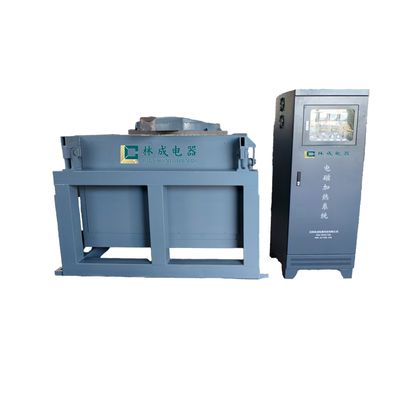
A traditional electric boiler can be imagined as a large "immersion heater," which heats water through a resistance wire. In contrast, an electromagnetic boiler is completely different: it has a built-in coil that generates an alternating magnetic field when energized. When water flows through this magnetic field, the water molecules themselves are directly excited and generate heat through friction. The principle is similar to boiling water with an induction cooktop, but designed to be more sophisticated and efficient.
Since heat is generated directly in the water, almost no intermediate energy loss occurs, and the conversion rate from electrical energy to thermal energy is nearly 100%. Data shows that this method is nearly 30% more energy-efficient than traditional resistance boilers [1†source]. In other words, more of your electricity bill is converted into tangible warmth rather than being wasted.
5 Notable Residential Electromagnetic Boilers in 2024
There are many models on the market. I have selected and compared five products with excellent reputation and performance this year, so you can choose based on your home’s needs.
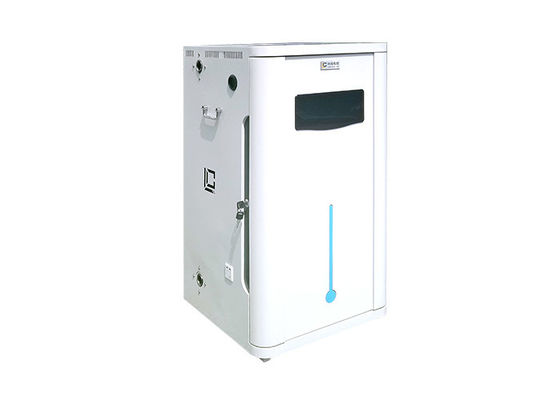
Small to medium-sized households valuing space-saving and long-term protection
EcoWarm Nexus
Compatible with renewable energy systems like solar power
$3,000 - $4,000
Households with existing or planned solar panel installations
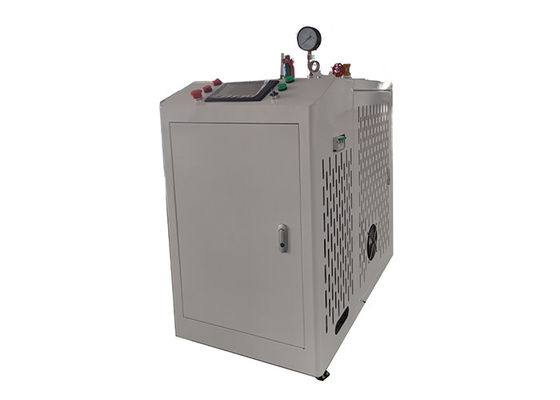
MagnaHeat Core
Commercial-grade craftsmanship, durable and stable performance
$2,500 - $3,200
Users living in cold regions who prioritize reliability
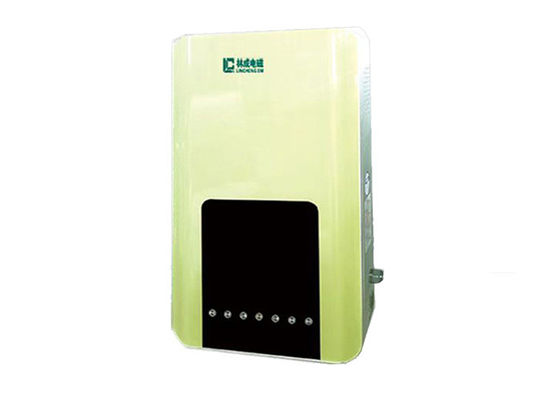
VoltStream V-Series
Cost-effective, DIY-friendly installation design
$1,800 - $2,400
First-time buyers on a budget or handy individuals
Step-by-Step Guide to Choosing Your Ideal Boiler
Choosing a boiler is not like buying a small appliance; it requires thorough consideration. Follow these steps to clarify your thoughts:
Calculate your home’s required "heating capacity": That is, calculate the heat load. Factors such as house size, insulation quality, and number of windows affect the result. Knowing the required BTU or kilowatt output is the foundation for selecting a model.
Check if your home’s "electrical supply" can keep up: Most electromagnetic boilers require a dedicated 240V circuit. Confirm in advance if your electrical panel has sufficient capacity and space—this is crucial.
Efficiency is key to saving money: Pay attention to the "Coefficient of Performance (COP)" indicator. A higher number means it can "convert" more heat with the same electrical energy consumption.
Carefully read the "warranty terms": The warranty period for core components such as the induction coil and heat exchanger is a priority. A long-term warranty commitment often reflects the manufacturer’s confidence in product quality.
Shop around for the best deal: Be sure to contact multiple qualified installers for on-site evaluations and detailed quotes including equipment and installation fees. Comparing options will give you greater peace of mind.
Common Misconceptions and Truths About Electromagnetic Boilers
Many people are deterred by the price, thinking the upfront investment is too high and the energy savings won’t offset the cost. This is actually a misunderstanding.
It’s true that the initial purchase cost is usually higher than that of traditional boilers. However, the operating costs are much lower. The U.S. Department of Energy points out that high-efficiency electric heating systems like electromagnetic boilers can fully compete with gas systems in terms of long-term operating costs, and the savings often recoup the price difference within the warranty period [2†source]. So, we need to consider the long-term financial perspective.