
December 22, 2025

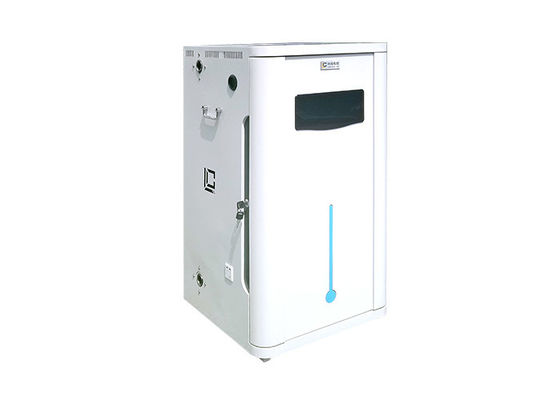
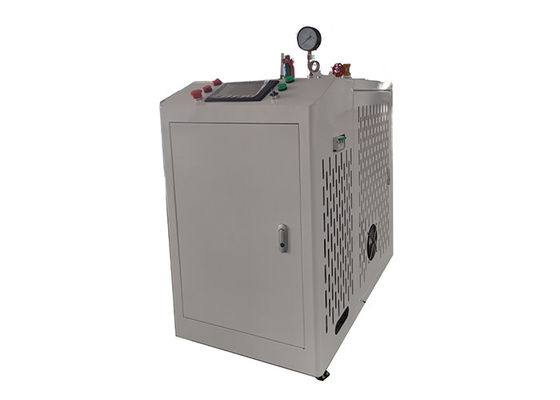
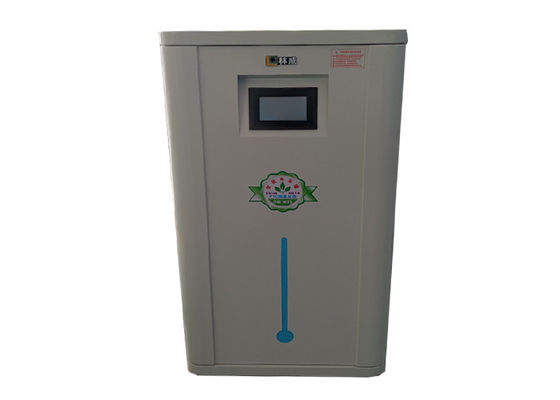
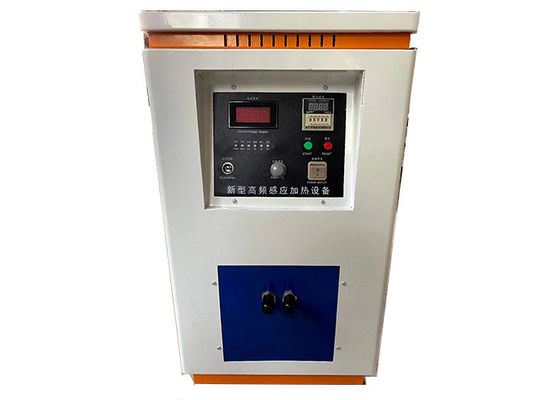
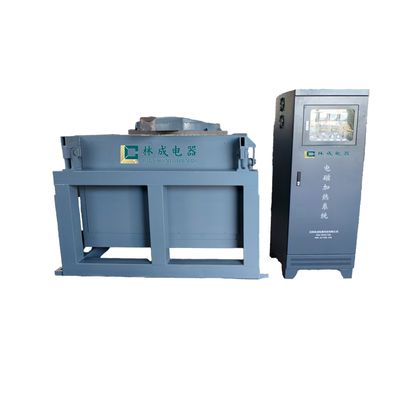
Unlike traditional resistance wire heating, the core of an industrial electromagnetic boiler lies in "induction." Simply put, high-frequency current inside the device creates a rapidly alternating magnetic field. This field induces eddy currents directly within the metal pipes, causing the pipes themselves to heat up rapidly and efficiently transfer that heat to the water. Sounds a bit like science fiction, right? It's precisely this direct heating of the metal that allows the 50KW industrial electromagnetic boiler to achieve near-instantaneous thermal response while minimizing energy loss.
Choosing the right 50KW boiler isn't just about power rating. Its manufacturing quality, control system, safety standards, and the manufacturer's technical support are all crucial—and these factors are directly reflected in the price. Currently, this market is in a phase of rapid growth with promising prospects.
To help you compare, here are a few models that have garnered significant attention in 2024:
| Model / Brand | Key Features | Estimated Price Range (USD) |
|---|---|---|
| ThermoFlow EMF-50 | Advanced PLC control system, supports remote monitoring & diagnostics | 5,800 |
| VoltHeat Pro 50i | Rugged protective housing, suitable for slightly harsher workshop environments | 4,500 |
| EcoHeat Nexus 50 | Modular design, peak thermal efficiency up to 98% | 6,200 |
Of course, this table is just a starting point. It's highly recommended that you delve deeper based on your specific needs.
Feeling overwhelmed by the choices? Don't worry. Following these steps will help clarify your thinking:
A reliable 50KW industrial electromagnetic boiler typically requires an initial investment of 6,500. While this figure might be higher than some traditional boilers, it's important to take a long-term view. Thanks to its operational efficiency exceeding 95%, its advantage in energy consumption is significant. Many users can recoup the initial investment through electricity savings within 1 to 3 years. From a long-term perspective, this is undoubtedly a sound investment.
To ensure safety and performance, installation must be handled by a licensed professional electrician—this is non-negotiable. Fortunately, daily maintenance is remarkably straightforward. Since there are no traditional heating elements to replace, your main tasks involve periodically checking electrical connections and the circulation pump, resulting in relatively low maintenance costs.
In summary, choosing to invest in a 50KW industrial electromagnetic boiler in 2024 is a forward-looking decision. It excels not only in energy efficiency and heating speed but also offers substantial long-term operational cost savings. If you're planning to upgrade your heating system, it's definitely worth serious consideration.
Q1: How exactly does it save electricity?
A: The key is its ultra-high efficiency. It heats the metal pipes directly via electromagnetic induction, with minimal heat loss, easily achieving system efficiencies over 95%. Compared to older resistance boilers, saving 20%-30% on electricity bills is common.
Q2: Will the water become electrified? Is it safe?
A: No need to worry at all. Heat is transferred to the water through the metal pipe wall. The electrical current is strictly confined within the metal, completely isolating the water from electricity, making it very safe.
Q3: How long does it typically last?
A: With proper maintenance, the core system of such boilers can easily last 10 to 15 years or even longer. Their design life is usually longer than that of traditional boilers.
Q4: Can it connect to my existing heating system?
A: Absolutely. It is essentially a high-efficiency heat source and can be directly integrated into existing hydronic systems, such as radiators or underfloor heating pipes, making replacement quite convenient.
Q5: Can it be used in environments with flammable or explosive risks?
A: In principle, it is safer as it produces no open flame. However, it is crucial to select a model specifically certified for use in such hazardous environments and to ensure installation complies with all safety regulations.
Final Pre-Order Checklist: