
November 20, 2025

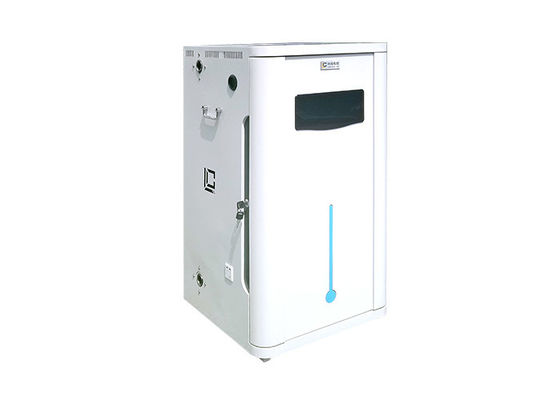
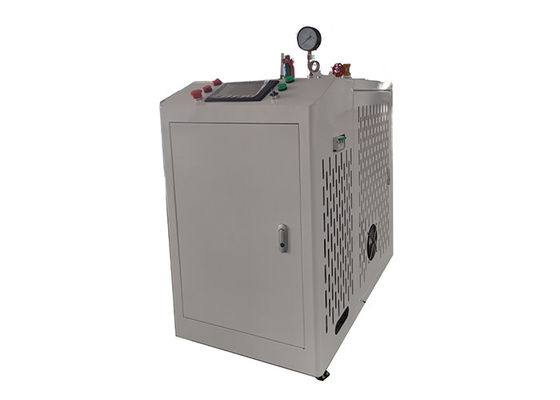
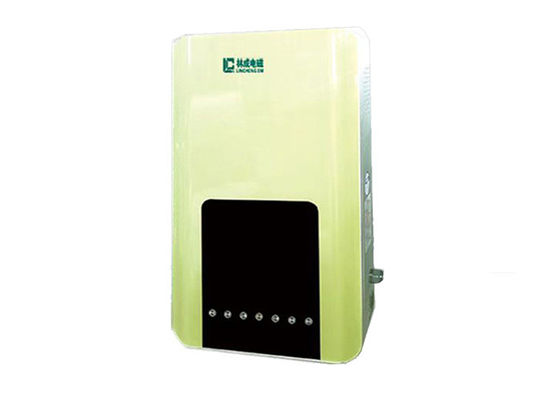
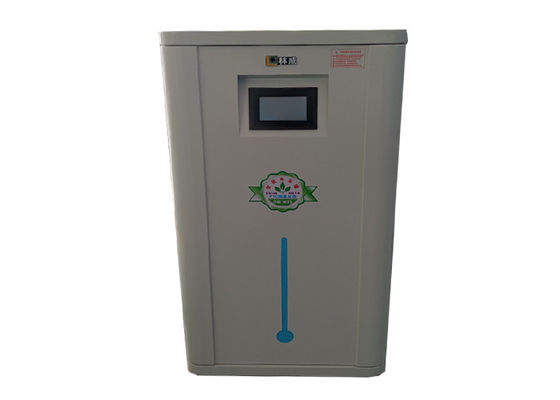
When planning a central heat source for an entire residential compound, industrial park, or large building complex, selecting a core unit that is efficient, reliable, and has controllable operating costs is crucial. The Central Heating Electromagnetic Boiler, as a high-quality alternative to coal-fired and gas-fired boilers, is increasingly gaining prominence in the clean energy heating sector due to its exceptional technical characteristics.
Key Insight: An analysis of a heating system retrofit for a 100,000 square meter residential compound found that while the initial investment for a high-performance centralized electromagnetic boiler system was higher than for a traditional coal-fired boiler, the total operational costs (energy, maintenance, labor, environmental treatment) became lower within 5-8 years. Furthermore, it offered incomparable advantages in automation and environmental protection.
This guide will systematically elaborate on the system composition, selection strategy, and benefit analysis of central heating electromagnetic boilers, assisting you in successfully planning your project.
In a central heating system, the electromagnetic boiler acts as the "central heat source." It efficiently converts electrical energy into thermal energy, heats the circulating water, and distributes it through the pipeline network to various user endpoints.
Deeper Understanding of the System Working Principle:
Cluster Design: Large central heating projects typically use modular electromagnetic boiler units. These consist of several rated-power boiler modules (e.g., each 500kW) connected in parallel, rather than a single giant boiler.
Intelligent On-Demand Heating: A central control system intelligently starts and stops individual or multiple modules based on outdoor temperature changes and actual heat load. It precisely adjusts the power of each module (typically capable of stepless regulation from 30% to 100%), achieving "heating on demand" and avoiding energy waste.
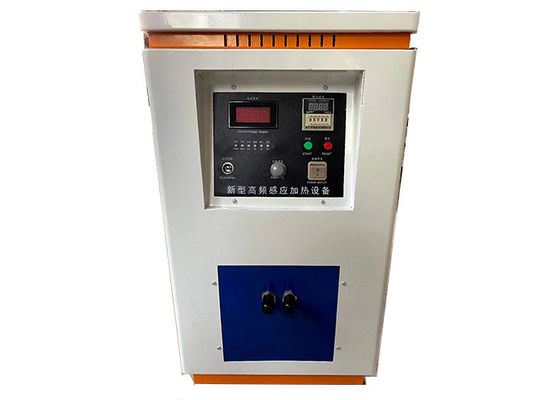
Efficient Heat Exchange: Inside each module, high-frequency current passes through coils, generating an alternating magnetic field. This induces powerful eddy currents in the metal heating body (the boiler core), causing it to heat up rapidly. The flowing circulating water is instantly heated.
| Consideration Dimension | Traditional Coal/Gas Boiler | Central Heating Electromagnetic Boiler |
|---|---|---|
| Energy Efficiency | Lower (Coal: ~60-80%, Gas: ~85-92%), suffers from flue gas loss, incomplete combustion loss. | Extremely High (>98%), no transmission loss, electrical energy is directly converted into heat. |
| Environmental Impact | High pollution (CO₂, SO₂, NOx, particulate matter). Faces strict environmental policy restrictions. | Zero Emissions, no exhaust gases, waste residues, or noise pollution. The ultimate clean energy source. |
| Operational Automation | Requires dedicated personnel for stoking, monitoring, slag removal, etc. High labor costs. | Fully Automatic, Unmanned Operation, can be monitored, diagnosed, and controlled remotely via network. |
| Safety | Potential safety hazards include explosion, fire, and gas poisoning. | Complete Water-Electric Separation, multiple safety protections (leakage, over-temperature, over-pressure, freeze prevention). Very high safety. |
| Footprint | Requires a large boiler room, coal storage yard, slag removal area. Large footprint. | Modular Design, Compact Structure, small footprint, no fuel storage space needed. |
Additional Advantages:
Very Low Maintenance Cost: No vulnerable parts like burners or grates. Core heating body lifespan can exceed 10 years.
Precise Temperature Control: Accurate supply water temperature control improves heating comfort and saves energy.
Policy Support: Classified as core equipment for "Coal-to-Electricity" projects, may qualify for preferential electricity tariffs (e.g., peak/off-peak rates) and government subsidies.
A complete Central Heating Electromagnetic Boiler System includes much more than just the boilers themselves:
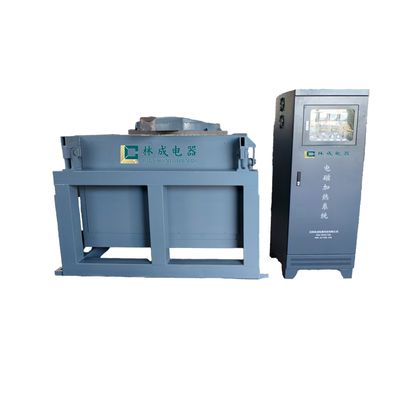
Boiler Host Module Cluster: The core heat generation equipment.
Circulating Pump System: Provides circulation power, typically equipped with variable frequency pumps to adapt to variable flow demands.
Expansion Tank: Accommodates the expanded volume of system water when heated, stabilizing system pressure.
Water Treatment System: Crucial! Prevents system scaling and corrosion, ensuring long-term efficient operation.
Intelligent Control System: The brain of the system, integrating functions like climate compensation, time-sharing temperature control, and remote monitoring.
Power Distribution System: High-power equipment requires a dedicated transformer and power distribution facilities, meeting high-voltage (e.g., 10kV) or low-voltage (380V) connection requirements.
Five Key Steps for Selection:
Accurate Heat Load Calculation: This is the foundation. Must be performed by professional HVAC engineers based on building structure, insulation, regional climate, and heated area. Avoid estimates!
Determine Modular Scheme: Based on the total load, choose between a single high-power unit or multiple medium-power modules in parallel. The latter offers higher flexibility and reliability (N+1 backup).
Assess Electrical Capacity: Calculate the total power requirement and communicate with the local power department to confirm if the existing transformer capacity is sufficient or needs upgrading. This is a prerequisite for project feasibility.
Utilize Peak/Off-Peak Electricity Rates: If local time-of-use electricity rates are available, consider configuring a thermal storage system. The boiler operates during off-peak hours at lower rates to heat the storage medium, releasing heat during peak hours, significantly reducing electricity costs.
Choose a Reliable Brand and Service Provider: Evaluate the manufacturer's technical strength, project experience, after-sales service network, and the brand of core components (e.g., IGBT modules).
⚠ Critical Reminder 1: Power Capacity Upgrade Cost is a "Hidden Cost". Prioritize confirmation of grid capacity with the power supply department. If an upgrade is needed, the cost can be very high and must be fully considered in the project budget.
⚠ Critical Reminder 2: Water Treatment is the "Lifeline" of the System. No matter how advanced the boiler itself is, poor water quality will quickly lead to scaling, corrosion, plummeting efficiency, and even equipment damage. Professional water treatment equipment must be installed and strict maintenance protocols established.
"A former coal-fired boiler room serving an 80,000 sqm old residential area in North China faced significant environmental pressure, high operating costs, and numerous resident complaints," a project manager reported. "It was retrofitted with a modular electromagnetic boiler central heating system, composed of six 400kW modules. Utilizing off-peak electricity at night to heat storage water tanks, stored heat is prioritized during the day. After the retrofit, the operating cost for one heating season was comparable to coal, but it achieved fully automatic, unmanned operation, zero emissions, and more stable indoor temperatures for residents. The community environment and safety were fundamentally improved."
Before starting the project, please check item by item:
Final Conclusion: The Central Heating Electromagnetic Boiler is a powerful tool for achieving the transition to "electrification, cleanliness, and intelligence" in the heating sector. While it requires a higher initial investment and specific electrical conditions, the long-term economic benefits, environmental benefits, and management convenience it brings are unmatched by traditional boilers. A successful project starts with accurate load calculation and power assessment, and succeeds through excellent system design and reliable equipment selection.
Q1: Will the operating electricity cost of a central heating electromagnetic boiler be astronomical? A1: Not necessarily. The key lies in scientific system design and operation strategy.
Utilize Peak/Off-Peak Rates: Operating at full capacity or storing heat during nighttime off-peak hours (where electricity can be 1/3 to 1/2 the peak price) can drastically reduce the average electricity cost.
Building Energy Efficiency Retrofits: Improving wall insulation and replacing windows in buildings can significantly reduce the total heat load.
Intelligent Climate Compensation: Automatically adjusting supply water temperature based on outdoor temperature avoids overheating. Using the above combination of strategies, operating costs can be controlled within an acceptable range, potentially even becoming more favorable than gas heating.
Q2: What are the specific benefits of a modular design? A2:
High Reliability: If one module fails, it doesn't affect the entire system's heating capability. It can be isolated for repair while the others continue running.
Flexible Load Matching: During low-load periods like the shoulder seasons, only a few modules need to run, operating within their high-efficiency range, avoiding the "big horse pulling a small cart" inefficiency.
Easy Expansion: If the heated area increases in the future, new modules can be added directly without replacing the main unit.
Q3: Can the water temperature from an electromagnetic boiler meet central heating requirements? A3: Absolutely. Modern Central Heating Electromagnetic Boilers are typically designed for an output temperature range of 30°C - 85°C. They can be precisely adjusted according to the terminal heat emitters (e.g., ~45°C for underfloor heating, ~70-80°C for radiators), fully meeting the heating requirements of various buildings.
Q4: Does this system require very specialized personnel for maintenance? A4: It does, but the maintenance workload and required expertise are far lower than for traditional boilers. The maintenance focus is on:
Routine Monitoring: Done remotely via computer or mobile app.
Regular Inspections: Performed by professional electricians or manufacturer service personnel to check electrical connections, clean coil dust, and inspect auxiliary equipment like pumps.
Water Treatment Oversight: Periodically testing water quality and replenishing water treatment chemicals. It eliminates the need for stokers to perform heavy labor or high-risk burner adjustments as required by coal-fired boilers.
Q5: Is it suitable for use in extremely cold regions? A5: Yes, it is suitable. Electromagnetic boilers start and heat up extremely quickly and are unaffected by extreme low temperatures. The key to application in extremely cold regions lies in:
Sufficiently conservative heat load calculations with a safety margin.