
December 29, 2025

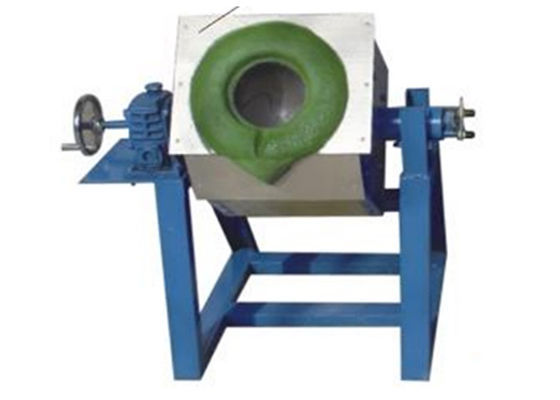
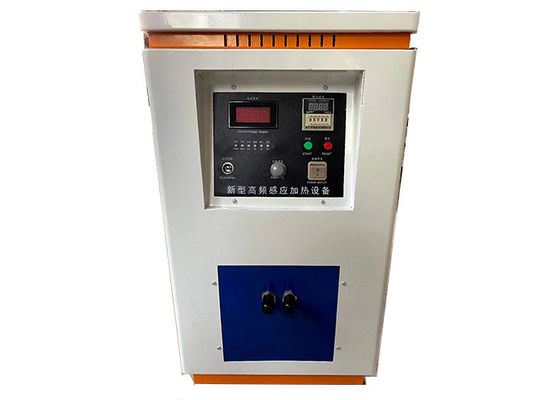
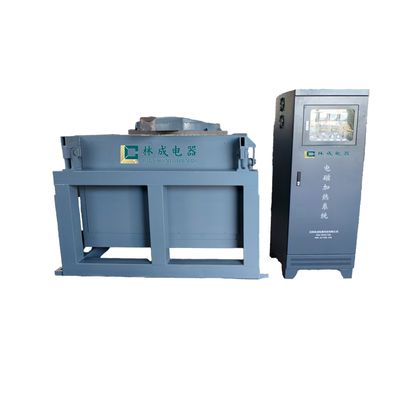
This field penetrates the metal charge (your scrap or ingots) sitting inside the crucible. Here’s where the magic happens: the changing magnetic field induces swirling electrical currents, known as eddy currents, directly within the metal itself. The metal naturally resists this electrical flow, and that resistance is what generates intense, internal heat. This direct transfer method is brilliantly efficient, giving operators incredible precision over temperature and minimizing wasted energy.
On the other hand, a channel furnace is more like a specialized marathon runner. It excels at high-volume, continuous melting of a single alloy (like iron for ductile iron production). Its stirring is gentler, and while incredibly efficient for its niche, it can involve higher upfront costs and more complex refractory maintenance.
Got Questions? We've Got Answers.
A: Its versatility is a huge plus. You can melt everything from common metals like steel, cast iron, aluminum, and copper alloys to precious metals. The key is matching the furnace's power supply and refractory to your primary material.
A: It depends heavily on the metal. A basic lining melting cast iron might last for several hundred heats, while a lining for more abrasive steel might need replacement after 80-150 heats. Proper operation and avoiding slag attacks are the best ways to extend lining life.
A: It's a common concern. While electricity can have a higher unit cost, the coreless furnace's far greater thermal efficiency often means you use less total energy per ton of metal. When you factor in reduced metal loss and lower maintenance, the total cost per ton frequently comes out lower.
A: Absolutely. In fact, it's one of its strengths. The electromagnetic stirring is excellent at homogenizing a melt, which helps even out the inconsistencies you might find in scrap. Just make sure the scrap is clean and dry for the best results.
A: Frequency determines your furnace's "personality." Main frequency (50/60 Hz) is for giant, high-capacity units. The medium frequency range (100-10,000 Hz) is the sweet spot for most industrial coreless furnaces, offering a great balance of penetration and stirring. High frequency is reserved for very small, precision applications like jewelry making.
[1] U.S. Department of Energy, "Best Practices for Foundries," 2021.
For the modern foundry focused on precision and profit, the journey to the next level of performance often leads straight to the coreless induction furnace.