
January 19, 2026

In the world of modern metal production, the coreless induction furnace stands out as a game-changer. By harnessing electromagnetic induction, this technology doesn't just melt metal—it transforms how foundries operate, delivering remarkable gains in productivity, quality, and cost control. Whether you're working with steel or aluminum, understanding this furnace is key to staying competitive. Let's dive into how it works and why it might be the right fit for your operation.
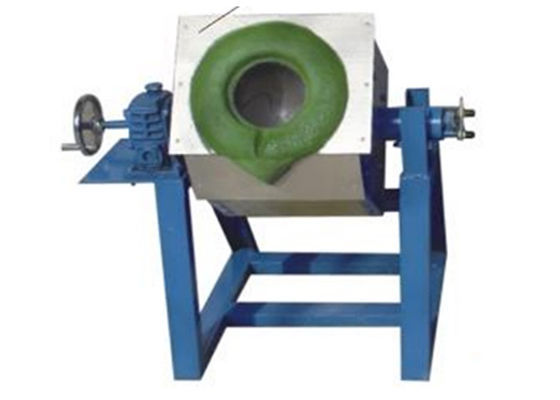
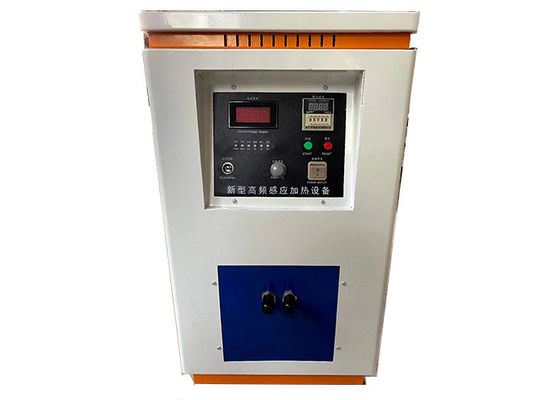
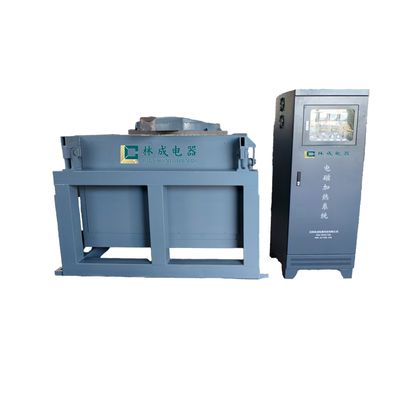
So, how does it actually function? The "coreless" design is the clue: unlike some older models, there's no physical iron core inside. Imagine a sturdy, refractory-lined crucible wrapped tightly by a water-cooled copper coil. When a high-frequency alternating current courses through that coil, it doesn't just sit there—it creates a powerful, fluctuating magnetic field.
This field penetrates the metal charge (your scrap or ingots) sitting inside the crucible. Here’s where the magic happens: the changing magnetic field induces swirling electrical currents, known as eddy currents, directly within the metal itself. The metal naturally resists this electrical flow, and that resistance is what generates intense, internal heat. This direct transfer method is brilliantly efficient, giving operators incredible precision over temperature and minimizing wasted energy.
Why are so many foundries upgrading to this system? The benefits are compelling:
Remarkable Energy Savings: Because heat is generated inside the metal itself, losses to the surrounding environment are minimal. A well-tuned furnace can achieve thermal efficiency rates north of 70%, which directly translates to lower operating costs.
Purer, More Consistent Melts: Ever heard of "induction stirring"? It’s a built-in feature. The electromagnetic forces actively circulate the molten metal, creating a perfectly homogeneous mix. This means consistent chemistry from batch to batch and helps float impurities to the surface for removal.
Unmatched Control and Flexibility: Need to switch from one alloy to another quickly? No problem. Operators have precise digital command over power and temperature, making batch melting and rapid alloy changes surprisingly straightforward.
A Cleaner, Safer Shop Floor: Say goodbye to roaring flames and combustion fumes. The process is significantly cleaner, quieter, and produces far less ambient heat. This isn't just about comfort—it’s a major win for worker safety and environmental compliance.
Higher Yield, Less Waste: Speed is your friend here. Faster melting times and the ability to use a protective atmosphere dramatically reduce oxidation and the "burn-off" of valuable alloying elements. You put more metal in, and you get more usable metal out.
Choosing between a coreless and a channel induction furnace boils down to your specific needs. Think of the coreless furnace as the versatile all-rounder. It’s ideal for batch melting, frequent alloy changes, and operations with flexible production schedules. It offers vigorous stirring and generally has a lower entry cost for small to medium setups.
On the other hand, a channel furnace is more like a specialized marathon runner. It excels at high-volume, continuous melting of a single alloy (like iron for ductile iron production). Its stirring is gentler, and while incredibly efficient for its niche, it can involve higher upfront costs and more complex refractory maintenance.
Ready to run one? Here’s a straightforward overview of the process:
Safety and Setup First: Always start with a thorough inspection. Check the refractory lining for wear and ensure the water-cooling system is flowing properly. This step is non-negotiable.
Loading the Charge: Fill the crucible with clean, dry scrap or ingots. Be mindful to avoid large voids or "bridging," which can cause uneven heating.
Firing It Up: Begin at a lower power setting to allow the entire charge to heat uniformly. Once a "molten pool" is established, you can safely ramp up to full power.
Monitoring the Melt: Keep a close eye on the temperature using a pyrometer. You’ll often "superheat" the metal—heating it slightly above its pouring temperature—to ensure it stays fluid during tapping.
Tapping and Shutdown: Pour (or tap) the molten metal into your waiting ladle or mold. Afterward, follow the manufacturer’s specific procedures for powering down and performing post-operation lining care.
Investing in a coreless induction furnace is more than just buying new equipment; it's a strategic move toward a more agile, efficient, and sustainable foundry. The combination of precision, flexibility, and superior melt quality it offers is tough to beat. For any operation looking to sharpen its competitive edge, mastering this technology is a powerful step forward.
Q1: What kind of metals can I melt?
A: Its versatility is a huge plus. You can melt everything from common metals like steel, cast iron, aluminum, and copper alloys to precious metals. The key is matching the furnace's power supply and refractory to your primary material.
Q2: How often do I need to reline the furnace?
A: It depends heavily on the metal. A basic lining melting cast iron might last for several hundred heats, while a lining for more abrasive steel might need replacement after 80-150 heats. Proper operation and avoiding slag attacks are the best ways to extend lining life.
Q3: Are the operating costs higher than a traditional gas furnace?
A: It's a common concern. While electricity can have a higher unit cost, the coreless furnace's far greater thermal efficiency often means you use less total energy per ton of metal. When you factor in reduced metal loss and lower maintenance, the total cost per ton frequently comes out lower.
Q4: Can I run it on 100% scrap?
A: Absolutely. In fact, it's one of its strengths. The electromagnetic stirring is excellent at homogenizing a melt, which helps even out the inconsistencies you might find in scrap. Just make sure the scrap is clean and dry for the best results.
Q5: What's the deal with power frequency?
A: Frequency determines your furnace's "personality." Main frequency (50/60 Hz) is for giant, high-capacity units. The medium frequency range (100-10,000 Hz) is the sweet spot for most industrial coreless furnaces, offering a great balance of penetration and stirring. High frequency is reserved for very small, precision applications like jewelry making.
Your Implementation Checklist:
Sources:
[1] U.S. Department of Energy, "Best Practices for Foundries," 2021.
[2] Industry data from leading refractory suppliers (2023 market analysis).
For the modern foundry focused on precision and profit, the journey to the next level of performance often leads straight to the coreless induction furnace.