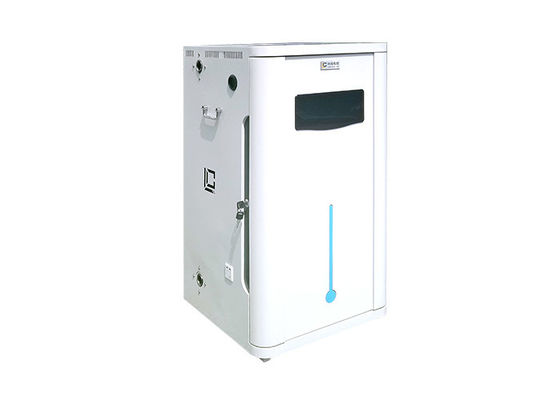
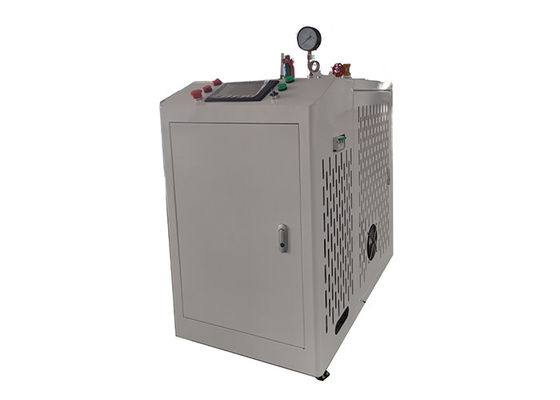
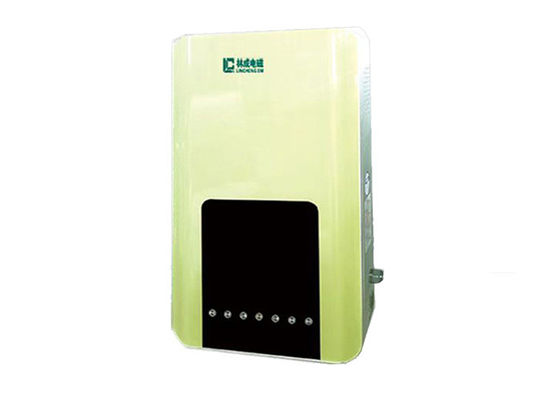
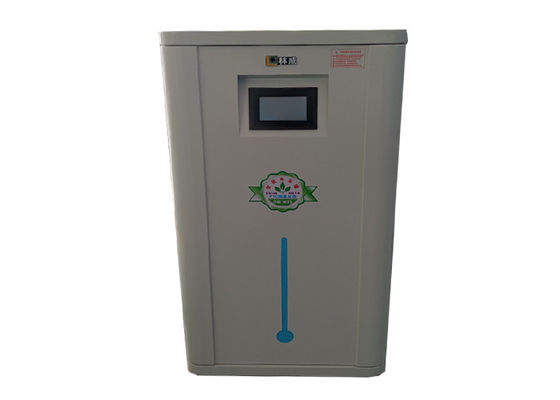
How to Select a Custom-Capacity Electromagnetic Melting Furnace? A Comprehensive Breakdown to Find Your Ideal Match
Custom-capacity electromagnetic melting furnaces are growing increasingly popular in the metal processing and casting industries today. Boasting high efficiency, low energy consumption, and flexible adaptability to production needs, they have delivered tangible benefits to numerous enterprises. Yet the term "custom-capacity" leaves many confused—how do you choose the perfect model for your business? Worry not, this guide will walk you through the process step by step, clarifying your options to help you make an informed decision.
1. Why Choose an Electromagnetic Melting Furnace? What Does Custom-Capacity Mean?
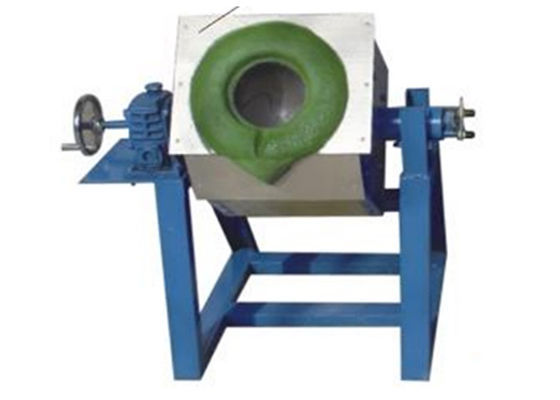
First, let’s start with the electromagnetic melting furnace itself. Unlike traditional coal or gas-fired furnaces, it heats metal using the principle of electromagnetic induction—essentially making the metal heat itself. This results in more concentrated heat and minimal energy loss. Industry reports indicate its average thermal efficiency easily exceeds 60%, saving approximately 30% more energy than traditional cupolas【1】.
So what exactly is "custom-capacity"? Simply put, it means forgoing off-the-shelf standard models to have a furnace tailor-made to your factory’s daily melting volume, the type of metal to be melted, and workshop conditions. An oversized furnace will often run underloaded, wasting electricity and investment; an undersized one will fail to keep up with production schedules and cause delays. The core of "customization" is therefore striking the perfect balance between cost and efficiency.
2. 5 Steps to Lock in Your Ideal Model
Selecting a model is not a game of guesswork—following these steps will bring clarity to your decision.
Step 1: Clarify Your Core Production Requirements
Take the time to calculate: what primary metals will you melt? Cast iron, steel, copper, or aluminum? What is the approximate weight per melt? How many melts do you need per day? Remember to leave room for future expansion—we typically recommend adding a 10-20% margin to your calculated requirements. These data points form the foundation for all subsequent decisions.
Step 2: Assess Your Workshop’s Compatibility
A furnace cannot be placed arbitrarily once purchased. Measure the reserved installation space, and more importantly, confirm your electrical supply capacity—is the voltage 380V or 10kV? Does the factory transformer have sufficient capacity? Never let the furnace arrive only to find your power supply is inadequate.
Step 3: Define Specialized Process Requirements
Different metals have distinct characteristics. For example, aluminum alloy is highly sensitive to temperature control, while melting cast iron demands high-performance refractory materials for the furnace lining. Clearly articulating your specific process and temperature requirements will enable manufacturers to design a fully optimized solution.
Step 4: Partner with the Right Supplier and Conduct In-Depth Discussions
You can now start sourcing suppliers, prioritizing those with extensive case experience in custom electromagnetic melting furnaces. Share the information compiled in the first three steps with them, conduct in-depth technical communication, and request a preliminary design proposal. The more detailed the discussions, the fewer complications down the line.
Step 5: Compare Quotes and Make a Comprehensive Decision
After receiving proposals from 2-3 suppliers, do not focus solely on the total price. Carefully compare their technical routes for reliability, energy efficiency indicators, and after-sales service networks. Your ultimate goal is to find a partner offering the highest long-term comprehensive cost performance.
3. Different Specifications for Different Applications
For greater clarity, let’s examine the characteristics of furnaces across different capacity ranges:
表格
Comparison Item Small Custom Furnace (≤1 ton) Medium Custom Furnace (1-5 tons) Large Custom Furnace (≥5 tons)
Applications Laboratories, R&D centers, small-batch precision casting Small and medium foundries, component production workshops Large casting enterprises, continuous production lines
Advantages Flexible, low investment, fast heating, easy alloy switching High cost performance, balanced productivity and flexibility Low per-ton melting cost, high efficiency, easy automation integration
Electrical Requirements Moderate, compatible with standard industrial power Requires stable medium-voltage power supply Typically needs a dedicated substation and high-voltage power, complex configuration
Customization Scope Extensive, highly adaptable to specialized processes Flexible, with significant adjustments possible on a standard base Customization mainly for capacity and power, limited room for overall structural modifications
4. Common Pitfalls to Avoid
When making a purchase, be mindful of these common misconceptions:
Pitfall 1: Assuming "bigger is better"
Capacity is not a measure of quality. An oversized furnace running under low load can see its comprehensive energy efficiency drop by over 40%【2】, resulting in massive unnecessary electricity costs.
Pitfall 2: Focusing only on the unit price
In reality, electricity bills, furnace lining replacements, routine maintenance, and losses from unplanned downtime are the major long-term operational expenses. Always keep a long-term perspective.
Pitfall 3: Neglecting after-sales service
A furnace will be in use for many years, so the manufacturer’s after-sales service network, response speed, and technical support capabilities are critical. Before signing a contract, it is advisable to conduct an on-site inspection of their service capabilities.
Additionally, do not be misled by claims of a furnace being "suitable for all metals". Manufacturers specializing in a specific niche (e.g., aluminum alloy melting furnaces) often have more concentrated experience and can provide more professional and reliable solutions.
5. Proper Operation and Maintenance
Once the equipment is installed, standardization in installation and operation is essential. Ensure a solid foundation, unobstructed cooling water flow, and proper electrical wiring. Develop a habit of keeping operational logs during daily use, recording power consumption, melt duration, furnace lining wear, etc.—these data are invaluable for subsequent maintenance and optimization.
Key areas for regular maintenance:
Furnace lining (the "heart"): Inspect thickness regularly, repair erosion promptly, and replace when necessary.
Cooling system (the "radiator"): Clean regularly to prevent scale from reducing cooling efficiency.
Electrical connections (the "lifeline"): Frequently check power connectors and coil terminals for looseness to prevent arcing.
Sensors (the "eyes"): Calibrate temperature-measuring components such as thermocouples regularly to ensure accurate temperature measurement and control.
Final Thoughts
Ultimately, choosing a custom-capacity electromagnetic melting furnace is a process of deeply matching the equipment to your specific needs. With thorough upfront preparation, adherence to scientific selection methods, avoidance of common pitfalls, and emphasis on post-purchase maintenance, this tailor-made equipment will undoubtedly become a powerful asset for improving product quality, reducing costs, and enhancing market competitiveness.
Pre-Purchase Checklist
✅ Have you clearly calculated your melting requirements (metal type, per-melt weight, daily output)?
✅ Have you confirmed workshop space, floor load capacity, and electrical capacity are adequate?
✅ Have you held in-depth discussions with at least two reliable suppliers and obtained detailed proposals?
✅ Have you carefully compared key parameters (capacity, power, thermal efficiency, furnace lining lifespan)?
✅ Have you verified the supplier’s after-sales terms and past successful cases?
Frequently Asked Questions
Q1: How long does it take to manufacture a custom furnace?
A1: For conventional structures, the production cycle is generally 45 to 60 days. For furnaces involving special materials, complex automation integration, or ultra-high power, the lead time may extend to 3 to 4 months.
Q2: How long does a furnace lining last? Is replacement expensive?
A2: This largely depends on the melted metal, temperature, and process. For example, a lining for cast iron melting can last 200 to 400 melts, while one for steel melting may only last 100 to 200 melts. The cost of a furnace lining replacement typically accounts for 5% to 15% of the equipment’s initial total price.
Q3: Is it really more cost-effective than gas-fired furnaces?
A3: In most cases, yes. Electromagnetic heating boasts high efficiency with no heat loss from exhaust gas. Its energy cost advantage is particularly prominent in regions with stable power supply and preferential electricity tariffs. Of course, it is best to conduct a specific cost calculation based on local energy prices.
Q4: Can I provide my own design proposal?
A4: This carries considerable risk. The design of an electromagnetic melting furnace involves expertise in electromagnetism, thermal engineering, and materials science—it is not a simple matter of drawing a blueprint. Unprofessional designs are likely to result in low efficiency and even potential safety hazards. The safest approach is to clearly state your process requirements and let experienced manufacturers complete the professional design.
Q5: Will such high-power equipment interfere with the factory’s power grid? How to resolve this?
A5: High-power equipment may generate harmonics and cause voltage fluctuations during operation. The solution is to conduct an assessment in the project design phase, and it is typically recommended to install a Static Var Compensator (SVC) or Active Power Filter (APF). Remember to factor in the cost and installation of these supporting devices in your upfront budget.