
November 25, 2025

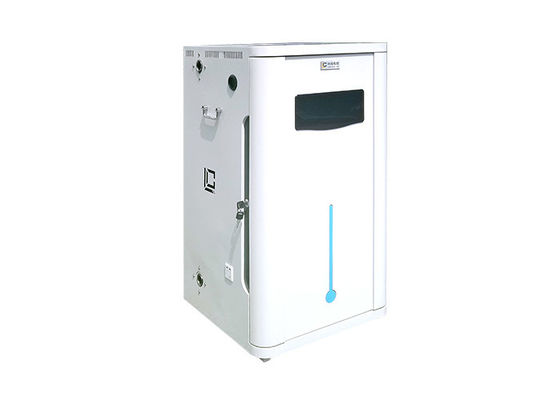
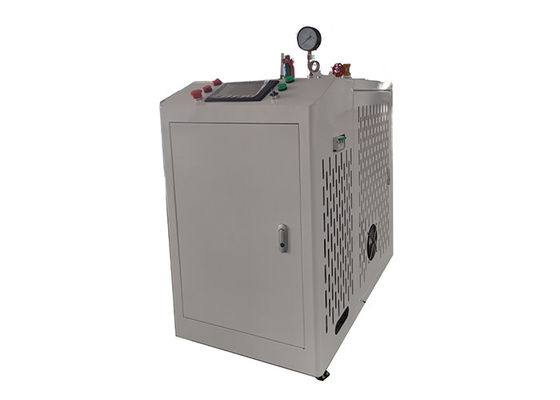
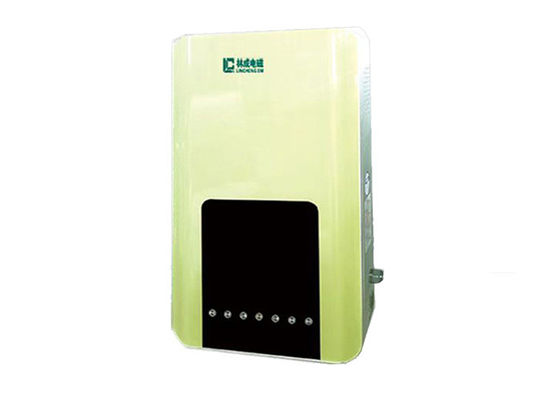
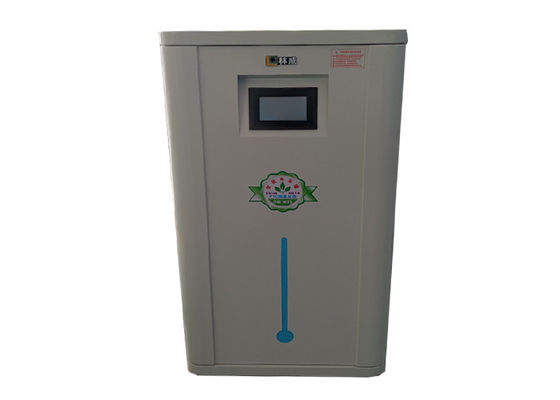
In extremely cold environments, traditional wellhead heating methods often prove inefficient. Recent industry data shows that oilfields using electromagnetic induction wellhead heating systems can maintain normal production at -40°C, achieving 57% energy savings compared to steam heating solutions. Our field practices on the Yamal Peninsula in Russia demonstrate that this technology effectively resolves freezing and blockage issues in high-pour-point oil wells.
Electromagnetic induction technology generates heat directly within the pipe wall through alternating magnetic fields, enabling "inside-out" uniform heating.
Implementation Plan:
Analyze electromagnetic properties of pipeline materials
Configure intelligent temperature control system
Install variable-frequency power modules
Set up multi-level protection mechanisms
Establish remote monitoring platform
Thermodynamic analysis reveals that targeted zonal heating can achieve ideal results:
| Heating Method | Energy Consumption | Freeze Prevention |
|---|---|---|
| Full-length heating | 100% | Excellent |
| Zonal heating | 60-70% | Good |
The system automatically detects and clears paraffin deposits:
Heat above wax appearance point
Maintain specific duration
Rapid cooling cycles
Monitor pressure changes
Equipped with diesel generator + super capacitor backup system, ensuring heating resumption within 15 seconds during power grid failure.
Real-time monitoring of operational data, automatic optimization of heating parameters, and generation of energy efficiency reports.
Field Verification Checklist
Q: What advantages does it offer over traditional heating methods? A: Over 40% higher energy efficiency and 60% lower maintenance costs.
Q: Does installation affect production? A: New clamp-type installation requires only 2-4 hours with no production shutdown.
Q: What environments is it suitable for? A: Applicable for both onshore oilfields and offshore platforms, with proven cases at 300-meter water depth.
Q: How is operational safety ensured?