
November 19, 2025

Looking for a revolutionary heating solution that combines unparalleled energy efficiency, lightning-fast response, and exceptional reliability for large-scale applications? High-power electromagnetic boilers are rapidly transforming the industrial and commercial heating landscape. But with significant upfront investment, how can you be sure it's the right choice and avoid costly selection pitfalls?
Critical Insight: Market analysis indicates that nearly 30% of industrial energy costs stem from thermal processes. High-power electromagnetic boilhers, leveraging advanced induction technology, can reduce these heating energy costs by 20-35% compared to traditional resistance or fuel-fired boilers, offering a compelling ROI despite a higher initial cost.
This comprehensive guide delves into the core technology, advantages, and strategic selection criteria for high-power electromagnetic boilers, empowering you to make a data-driven decision for your enterprise.
It's crucial to understand that this is not a traditional resistance boiler. The core difference lies in the heating method.
Traditional Resistance Boilers: Use electrical current passing through a resistive element (like a giant immersion heater) to generate heat. This heat is then transferred to water via contact. This process is slow, inefficient due to scale buildup and heat loss, and the elements are prone to failure.
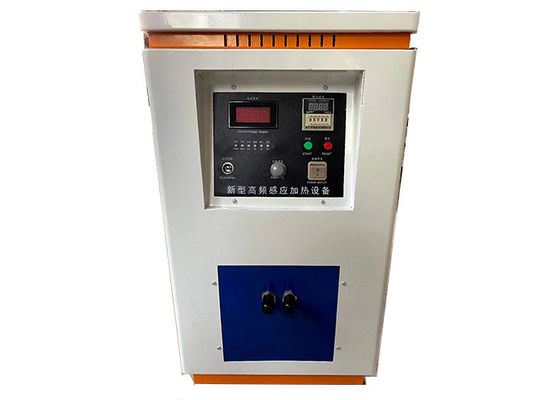
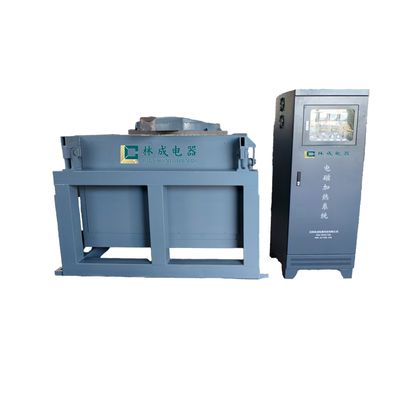
Electromagnetic Boilers: Employ a high-frequency electromagnetic field. The boiler's core is a specially designed pressure vessel that acts as the heating element. When the electromagnetic field interacts with this metal core, it induces powerful eddy currents within the core itself, causing it to heat up instantaneously and uniformly. Water then flows over this intensely hot core, absorbing the energy with extreme efficiency.
In essence, the entire core becomes the heater, eliminating the weak point of traditional heating elements.
Why are industries from manufacturing to district heating shifting towards this technology? The operational benefits are substantial.
| Feature | Traditional Resistance Boiler | Gas/Oil-Fired Boiler | High-Power Electromagnetic Boiler |
|---|---|---|---|
| Thermal Efficiency | ~90-95% (declines with scale) | 80-92% (varies with load) | >98% (consistent, unaffected by scale) |
| Response Speed | Slow (heats element first) | Slow (combustion process) | Near-instantaneous |
| Energy Source | Electricity | Fossil Fuels (Gas, Oil) | Electricity |
| Lifespan & Maintenance | Shorter (element replacement) | Moderate (combustion chamber, heat exchanger maintenance) | Very Long (no moving parts in heating, no combustion) |
| Safety | Risk of element burnout | Risk of combustion leaks, explosions | No open flame, no combustion, low pressure operation |
| Environmental Impact | Zero on-site emissions | High CO2, NOx, SOx emissions | Zero on-site emissions |
Additional compelling advantages include:
Magnetic Scale Inhibition: The rapidly changing electromagnetic field alters the molecular structure of minerals in the water, significantly reducing limescale formation and maintaining peak efficiency over time.
Precise Power Control: Can modulate power from 0-100% with exquisite precision, allowing for perfect temperature matching to demand and eliminating cycling losses.
Silent Operation: No combustion noise or roaring flames.
This technology is ideal for applications requiring large volumes of hot water, steam, or thermal fluid with high reliability and low operating costs.
Industrial Process Heating: Providing heat for chemical processes, food and beverage production, metal pretreatment lines, and manufacturing plants.
District Heating Systems: Serving as a clean and efficient central heat source for residential, commercial, or institutional complexes.
Large-Scale HVAC: Integration into heating systems for skyscrapers, hospitals, universities, and shopping malls.
Snow Melting & Ice Prevention: For roads, bridges, tarmacs, and stadiums.
Agriculture: Heating for large greenhouses, aquaculture farms, and livestock facilities.
Selecting a high-power unit requires careful analysis beyond just kilowatt rating.
Power & Capacity Sizing: Accurately calculate your peak and average heat demand (in kW or BTU/hr). Oversizing leads to capital waste and inefficient cycling; undersizing leads to performance failure. Consider future expansion.
System Voltage: High-power units often require 380V, 480V, or even medium-voltage (e.g., 10kV) connections. Confirm your facility's electrical infrastructure can support the chosen model.
Core Material & Design: The heart of the boiler. Inquire about the material (specialized alloys) and design of the electromagnetic core, which dictates efficiency, longevity, and resistance to erosion.
Control System & Connectivity: Modern units offer sophisticated PLC controls, remote monitoring, and BMS integration. Ensure the control system meets your operational and data-logging needs.
Water Quality & Treatment: While resistant to scale, pre-treatment of feed water is still recommended to maximize the system's lifespan and maintain ultimate efficiency, especially in areas with very hard water.
⚠ Critical Reminder 1: Conduct a Total Cost of Ownership (TCO) Analysis. The initial price of an electromagnetic boiler is higher. However, the TCO—factoring in 20-35% lower energy bills, minimal maintenance, and a longer lifespan—often makes it the more economical choice over a 5-10 year period. Don't decide on upfront cost alone.
⚠ Critical Reminder 2: Verify Electrical Supply and Potential Incentives. The high electrical demand may require a service upgrade. Simultaneously, investigate government or utility rebates for high-efficiency, electrified heating systems, which can significantly offset the capital cost.
"A textile plant replaced its aging gas-fired boilers with a 500kW high-power electromagnetic boiler for their dyeing vats," a plant manager reported. "The switch resulted in a 28% reduction in energy costs annually. The precise temperature control also improved dye consistency and reduced waste. Despite the higher initial investment, the project paid for itself in under 3 years through energy savings and reduced maintenance downtime. The reliability has been a game-changer for our production schedule."
Before finalizing your investment, confirm these points:
Final Conclusion: A high-power electromagnetic boiler