
December 1, 2025

Core Keywords: Medium Frequency Furnace, Induction Melting Furnace, Casting Melting, Metal Melting Equipment
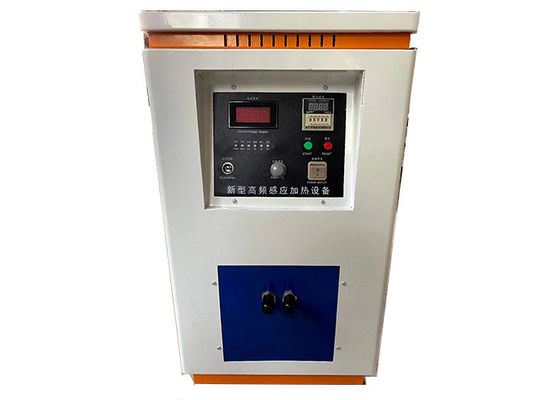
A medium frequency melting furnace is equipment that uses the principle of electromagnetic induction for metal melting. It converts three-phase AC power (50Hz) into single-phase medium frequency (typically 150-10,000Hz) AC power via a medium frequency power supply, which is then delivered to the induction coil (furnace body). This induces powerful eddy currents within the metal charge, utilizing the metal's own electrical resistance to achieve heating and melting.
Basic Working Principle:
Power Conversion: The medium frequency power supply system rectifies and inverts mains power into the required medium frequency AC power.
Generating Alternating Magnetic Field: The medium frequency current passes through a water-cooled copper tube induction coil, generating a rapidly changing, strong magnetic field.
Heating via Eddy Currents: This magnetic field penetrates the metal charge (must be a conductor) within the furnace crucible, inducing massive eddy currents inside it.
Metal Melting: Due to the electrical resistance of the metal material, the eddy currents generate intense Joule heat, causing the metal material itself to heat up rapidly until it melts.
Electromagnetic Stirring: The alternating magnetic field also exerts a powerful electromagnetic force on the molten metal, causing it to stir naturally within the furnace, resulting in more uniform composition and temperature.
Compared to traditional cupola furnaces or mains frequency melting furnaces, medium frequency furnaces offer overwhelming advantages:
| Characteristic | Medium Frequency Melting Furnace | Cupola Furnace |
|---|---|---|
| Thermal Efficiency | High (≥90%) | Low (30%-50%) |
| Melting Speed | Fast, acts directly on the charge | Slow, relies on coke combustion |
| Element Burn-off | Very Low, high alloy yield | Significant, especially for Si, Mn |
| Temperature Control | Precise, capable of ultra-high temperature melting | Difficult to control precisely |
| Environmental Impact | Clean & Eco-friendly, low noise, no waste gas | Heavily Polluting, much dust & exhaust |
| Flexibility | High, can be started/stopped anytime, easy alloy change | Low, requires continuous operation |
| Molten Metal Quality | Uniform composition, high purity (has electromagnetic stirring) | High sulfur content, many impurities |
Summary of Core Advantages:
High Efficiency & Energy Saving: High thermal efficiency, fast melting speed, low specific power consumption.
Excellent Melting Quality: Low element burn-off (especially beneficial for C, Si control), uniform composition, low gas and inclusion content.
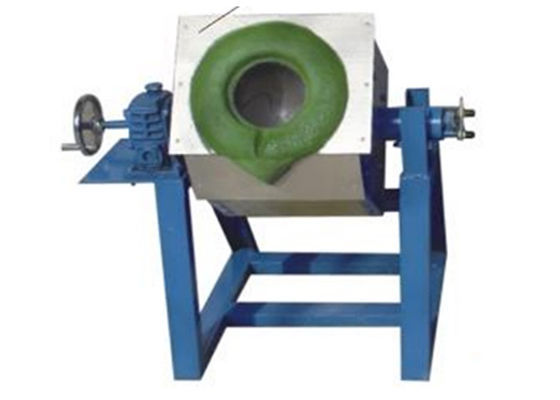
Operational Flexibility: The furnace body can be tilted for tapping and slag removal; can be started or stopped at any time, highly suitable for multi-variety, small-batch production schedules.
Environmentally Friendly: Almost no smoke, dust, or harmful gas emissions, significantly improves the working environment, complies with environmental regulations.
High Degree of Automation: Can be integrated with charging, temperature measurement, and pouring systems to achieve fully or semi-automated production.
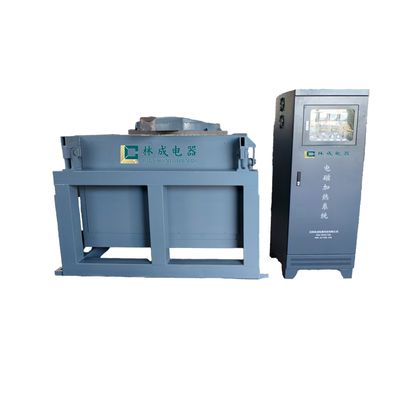
A complete medium frequency melting furnace system typically includes:
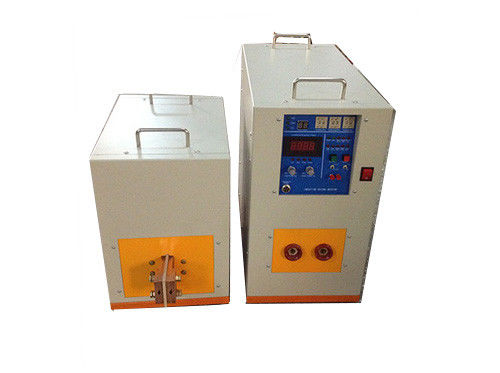
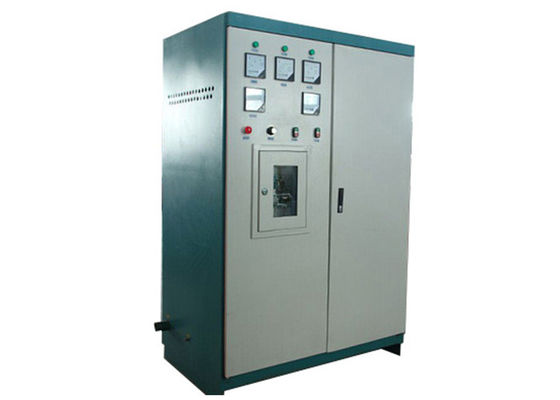
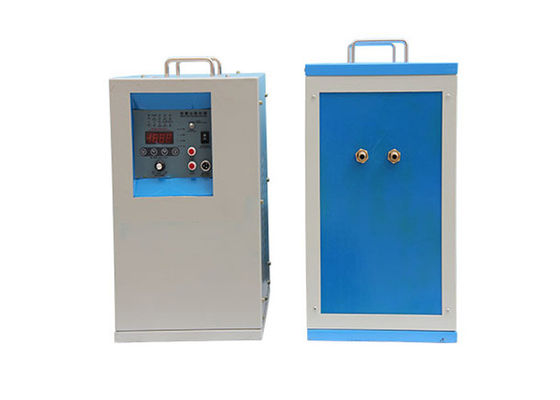
Medium Frequency Power Supply Cabinet: The core, performs the AC-DC-AC conversion process, provides energy to the furnace body.
Compensation Capacitor Bank: Provides reactive power compensation, improves the system's power factor and efficiency.
Furnace Body (Induction Coil & Lining):
Induction Coil: Wound from rectangular hollow copper tubes, water-cooled.
Furnace Lining: Located inside the coil, rammed from refractory material, serves as the melting container. Its quality and lifespan are crucial.
Water Cooling System: Provides cooling for the power supply, coil, capacitors, etc.; the lifeline for safe equipment operation.
Furnace Tilting System: Hydraulic or electric mechanism for tilting the furnace body to tap molten metal.
Automatic Charging System (Optional): Enables automatic addition of furnace charge.
Medium frequency melting furnaces are widely used in the foundry industry for melting:
Cast Iron: Gray iron, ductile iron, alloy cast iron, etc.
Cast Steel: Carbon steel, alloy steel, stainless steel, etc.
Non-Ferrous Metals: Copper, aluminum, zinc, lead, and their alloys, etc.
They cover almost all casting areas requiring molten metal, such as automotive parts, engineering machinery, pumps and valves, pipe fittings, hardware tools, etc.
Furnace Lining Material & Ramming:
Material Selection: Chosen based on the metal being melted. For example, magnesia-based or silica-based dry vibratable materials for iron/steel; graphite crucibles or silica-based linings for copper; alumina-silicate refractories for aluminum.
Lifespan & Safety: The furnace lining is a consumable and requires regular maintenance and replacement. Cracks or excessive thinning of the lining can lead to a breakout accident (molten metal penetrates the lining, damaging the coil), which is very dangerous.
Starting Charge ("Cold Start"):
A medium frequency furnace cannot start empty; a certain amount of metal charge (preferably bulky pieces) must be loaded to form a closed circuit for eddy currents. Often, a "starting block" left from the previous melt is used.
Power & Frequency Selection:
Power: Determines melting speed. Selected based on production cycle and furnace capacity.
Frequency: Affects heating efficiency and penetration depth. The basic principle is: for melting smaller capacities of high resistivity metals (e.g., steel, aluminum), a higher frequency is preferable; for melting larger capacities of low resistivity metals (e.g., copper, iron), a lower frequency is preferable.
Q1: What is a "breakout" in a medium frequency furnace? How to prevent it? A1: A "breakout" is a major safety incident where molten metal leaks due to a compromised furnace lining, destroying the induction coil. Preventive Measures:
Use high-quality refractory materials and ensure professional, standardized ramming and sintering of the lining.
Carefully inspect the lining for wear and measure its thickness before each melt.
Avoid charge impacting the lining; allow slag to build up on the furnace walls for protection.
Establish strict procedures for lining use and replacement.
Q2: Does the medium frequency furnace have a large impact on the power grid? A2: The impact can be significant. Due to its high power, starting and operation can generate harmonics and reactive power impact, potentially affecting grid quality. Modern medium frequency power supplies often use technologies like 12-pulse rectification and add harmonic filters / reactive power compensation devices (SVC/SVG) to effectively mitigate this issue.
Q3: Is the electromagnetic radiation from medium frequency furnaces harmful to humans? A3: When the equipment is compliant, correctly installed, and safe operating distances are maintained, the magnetic field strength is typically below the public exposure limits set by international guidelines (e.g., ICNIRP), making it safe for humans. However, it is recommended that operators avoid standing immediately next to the furnace body and power supply for prolonged periods.
The medium frequency melting furnace for casting, with its characteristics of high efficiency, superior quality, flexibility, and environmental friendliness