
December 26, 2025

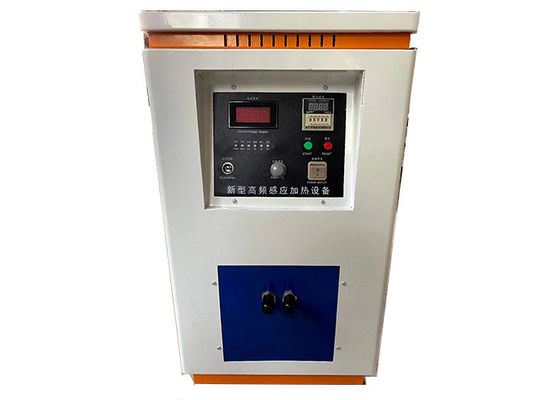
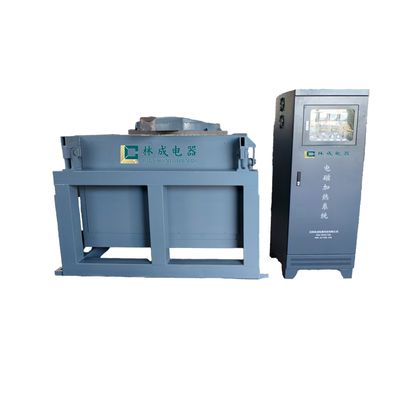
If you are searching for a smarter and more efficient heating solution for your factory or commercial facility, then a PLC-controlled electromagnetic boiler is definitely worth a closer look. This system ingeniously combines electromagnetic induction heating technology with a Programmable Logic Controller (PLC), enabling not only precise temperature control but also significantly improving energy utilization efficiency. Today, we will comprehensively analyze its working principle, core advantages, and recommend several noteworthy models for 2024.
Traditional boilers typically heat the medium through combustion or resistance heating, while electromagnetic boilers take a different path—they utilize the principle of electromagnetic induction. When alternating current passes through a coil, it generates an alternating magnetic field. This field directly induces eddy currents within the metal heat exchanger, rapidly producing heat. The entire process involves almost no energy waste.
So, what role does the PLC play here? You can think of it as the brain of the entire system. This industrial computer monitors all parameters—temperature, pressure, flow rate, etc.—in real-time and automatically adjusts power output, pump speed, and even executes safety protocols. In other words, the system can automatically respond based on actual demand, truly achieving "unattended" intelligent operation.
Choosing a PLC-controlled electromagnetic boiler typically brings the following tangible benefits:
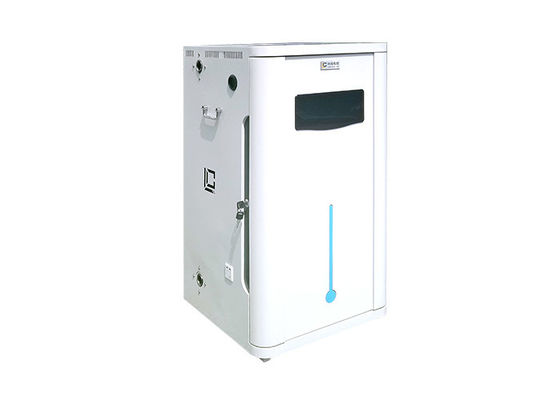
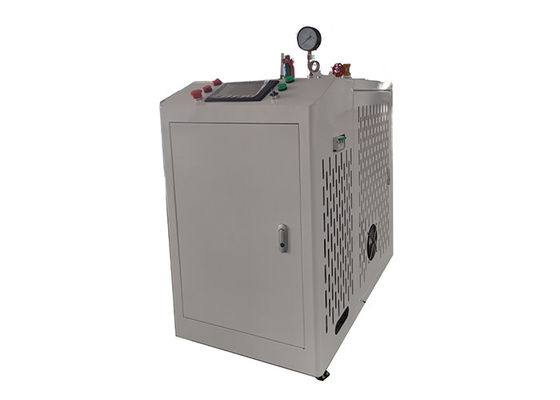
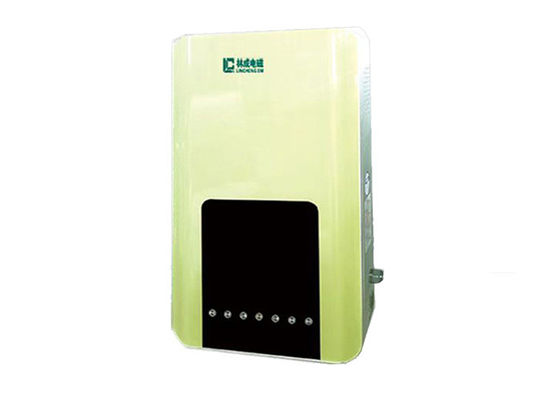
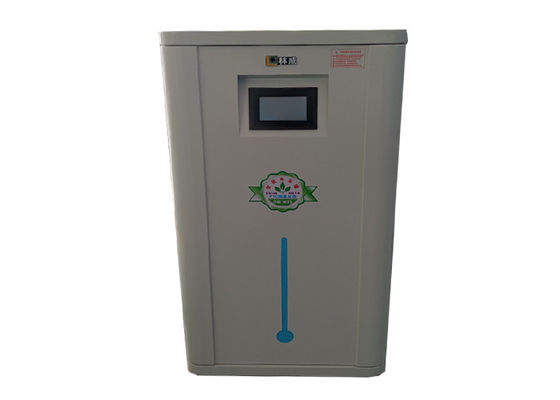
There are many products on the market. We have selected five PLC-controlled electromagnetic boilers with distinct features for your reference and comparison:
Faced with choices, don't get a headache. Follow this simple process to clarify your thinking:
A Quick Tip: Modern PLC-controlled electromagnetic boilers are far more than just water heaters. They can precisely handle various industrial thermal oils and special heat transfer media, making their application range actually very broad.
In conclusion, introducing a PLC-controlled electromagnetic boiler is not merely a piece of equipment upgrade; it's more like an operational upgrade for the future. It integrates efficient electromagnetic heating with flexible PLC automation control. The cost savings, management convenience, and stability assurance it brings over long-term use often exceed expectations. For enterprises looking to improve energy efficiency and achieve intelligent management, this is undoubtedly a strategically insightful choice.
Q1: Compared to a gas boiler, which is more cost-effective?
A1: In terms of energy efficiency, the PLC electromagnetic boiler has a clear advantage. Its thermal efficiency at the point of use can stably remain at 98%-99%, whereas gas boilers typically have lower overall efficiency due to flue gas heat loss.
Q2: Is PLC programming particularly complex, requiring a dedicated operator?
A2: No need to worry at all. Nowadays, the PLC interfaces for such products are very user-friendly, mostly equipped with intuitive touchscreens and pre-loaded with various common operation templates. Daily tasks like startup/shutdown and temperature setting can be easily handled by facility managers after simple training.
Q3: Is maintenance troublesome later on?
A3: Maintenance is relatively straightforward. It mainly involves periodically checking the circulation pump, coolant, and electrical connections. Moreover, many maintenance reminders can be proactively initiated by the boiler's own PLC diagnostic system—you just need to follow the schedule.
Q4: Can it integrate with the factory's solar photovoltaic system?
A4: Absolutely, and this is one of its intelligent features. The system's PLC can prioritize using surplus electricity generated by solar panels for heating, maximizing your return on green energy investment and achieving "peak shaving and valley filling."
Q5: Can it be used to generate steam?
A5: Definitely. Specialized industrial-grade PLC electromagnetic boiler models are fully capable of high-pressure steam production. The precise control offered by the PLC precisely ensures the continuous stability of steam pressure and quality, which is crucial for many process stages.