
December 25, 2025

Preface
Whether in the metal processing, casting, or recycling industry, choosing the right scrap metal melting furnace is of utmost importance. As the core equipment for transforming waste metals into usable materials, its performance directly depends on several key technical features. Understanding these features not only improves efficiency and ensures safety but also determines the quality of the final output. Today, we will delve into the seven aspects that you need to focus on before investing in a melting furnace.
Analysis of Key Points
1. Crucible: The "Heart" of the Furnace
You can think of the crucible as the "heart" of the furnace, where all metals are melted. Common materials include clay graphite, silicon carbide, and ceramics, each with its own characteristics, such as significantly different thermal shock resistance. When choosing, the capacity must match your production batch - being greedy is not a good thing, as overloading can bring serious safety hazards.
2. Heating Method: Induction Heating vs. Fuel Heating
The heating technology directly determines the melting speed, control accuracy, and operating costs.
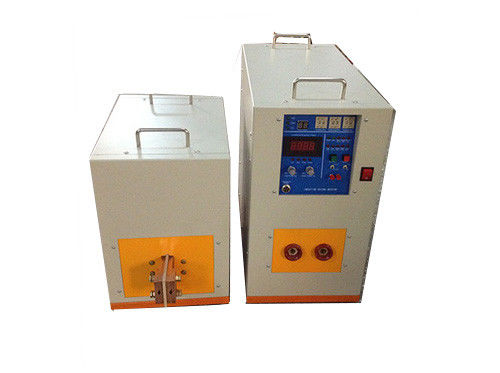
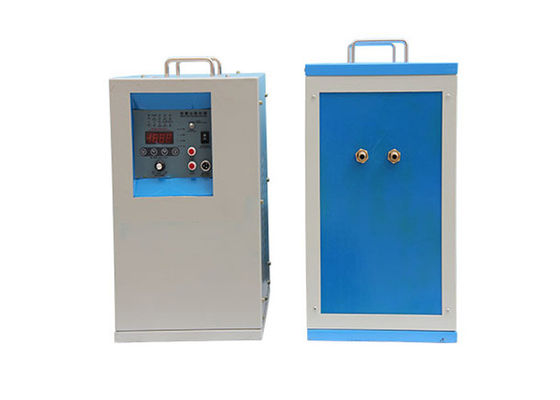
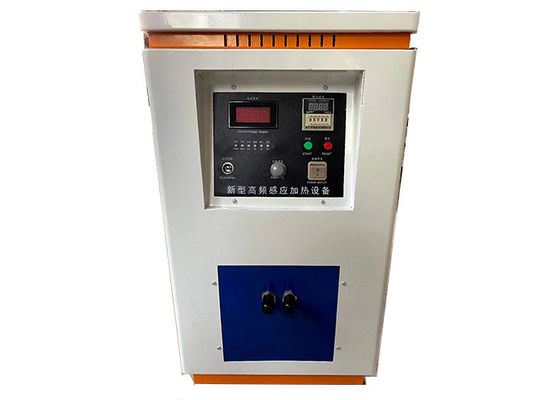
Induction Furnace: It heats very quickly, with energy acting directly on the interior of the metal. It offers precise temperature control and high energy efficiency. For modern production lines dealing with clean alloys or requiring precise metallurgical processes, it is usually the first choice.
Fuel Furnace (Gas/Oil - fired): The heating is relatively slower, and the control accuracy is slightly inferior, but the initial purchase cost may be lower. They are more suitable for large - scale melting or processing heavy - duty waste with complex compositions.
3. Temperature Ceiling and Control Precision
The maximum working temperature of the furnace you choose must exceed the melting point of the target metal (for example, aluminum is approximately 660°C, and steel needs to exceed 1370°C). In addition, a high - quality digital temperature controller with PID control function is essential. It can ensure temperature stability and is also the key to protecting the crucible and extending its lifespan.
4. Heat Insulation and Energy Efficiency: Savings Are Costs
A high - quality insulation layer (such as ceramic fiber modules) can minimize heat loss. This not only significantly reduces energy consumption, speeds up the melting cycle, but also ensures the uniform quality of the molten metal. At the same time, it keeps the furnace shell at a relatively low temperature, creating a safer working environment.
5. Tilting Mechanism and Pouring Safety
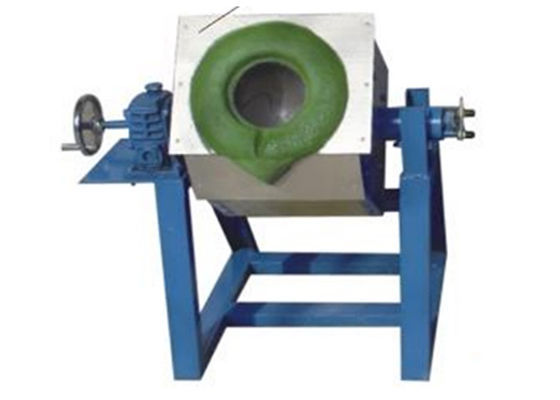
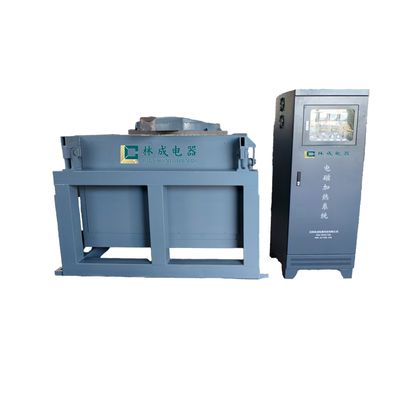
A reliable and smoothly - operating tilting mechanism (manual, hydraulic, or electric) is the lifeline for achieving safe and controllable pouring. Just imagine the great risks if the system is unstable when pouring out molten metal at over a thousand degrees.
6. Flue Gas Treatment and Environmental Compliance
When melting waste metals, especially those with coatings or platings, a large amount of flue gas will be generated. Therefore, it is crucial for the furnace to have a built - in smoke collection system or external connection interfaces - this is both for the health of the operators and to meet environmental requirements.
7. Structural Durability and Safety Design
Finally, don't forget to carefully check the overall manufacturing process and the sturdy steel shell. A qualified melting furnace should have basic safety configurations, such as an emergency stop button, over - temperature alarm, and crucible leakage protection system.
A common misunderstanding to remind you: The furnace is not necessarily the bigger the better. If you choose an overly large furnace for small - batch production, it will not only waste energy but may also affect the final quality due to overheating or excessive residence time of the molten metal.
Simple Safety Operation Procedure
Pre - startup Inspection: Carefully check whether there are cracks in the crucible and ensure the interior of the furnace is clean.
Furnace Charge Preparation: Sort and pre - heat the waste materials, remove moisture to prevent possible steam explosions.
Charging: Add materials in batches gradually, and remember not to exceed 80% of the rated capacity of the crucible.
Melting Process: Set the temperature control program, close the furnace cover, and monitor the heating status throughout the process.
Pouring and Shutdown: Use the tilting mechanism to complete pouring, and be sure to let the furnace cool completely before cleaning.
Summary
Selecting a suitable scrap metal melting furnace essentially involves a comprehensive consideration of these seven key points: crucible, heating method, temperature control, heat insulation, pouring safety, flue gas treatment, and built - in safety functions. By getting these aspects sorted out, you can establish an efficient, stable, and safe production process, truly transforming waste metals into valuable resources.
Frequently Asked Questions
Q1: Which melting furnace is the most energy - efficient?
A: Generally speaking, induction furnaces have the highest energy efficiency, as they can directly convert up to 90% of electrical energy into the internal heat of the metal.
Q2: Can the same furnace melt different metals?
A: Yes, but never melt them together in the same batch unless a thorough cleaning is carried out. Otherwise, cross - contamination will occur. The best practice is to use dedicated crucibles for different types of metals.
Q3: How often does the crucible need to be replaced?
A: It depends on the frequency of use and working conditions. Under normal maintenance, the lifespan of a high - quality crucible is approximately between 50 and 150 batches. The key is to check regularly and replace it immediately if cracks are found.
Q4: Does the induction furnace require a special power supply?
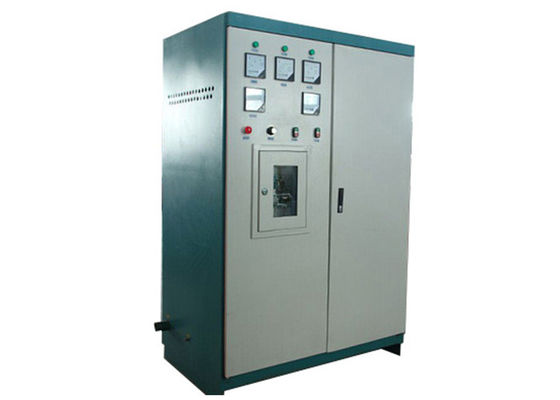
A: Usually yes. Medium - to - large - sized induction furnaces generally need to be connected to industrial three - phase high - voltage power. Please be sure to consult a professional electrician and carefully read the manufacturer's requirements.
Q5: Can waste materials with paint or coatings be directly melted?
A: It is not safe to do so without an effective flue gas treatment system. Because the combustion of the coating will produce toxic gases. The ideal approach is to remove the coating in advance or use a melting furnace with an advanced filtration system.
Practical Inspection Checklist Before Purchase:
The required melting temperature range has been confirmed.
The power/gas supply of the factory has been verified to match the equipment.
The tilting mechanism and safety locking device have been checked.
The compatibility of the flue gas treatment system has been confirmed.
The safety functions (emergency stop, alarm, etc.) have been verified.
The cost and supply cycle of crucible replacement have been understood.
Ultimately, the success of your recycling or production line begins with a wise investment in a reliable melting furnace. Taking the time to do your homework is definitely worthwhile.