
November 24, 2025
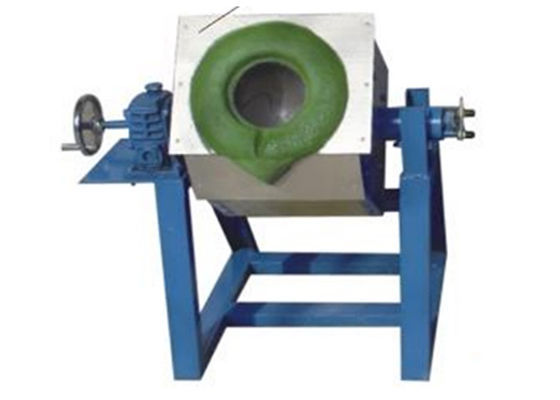
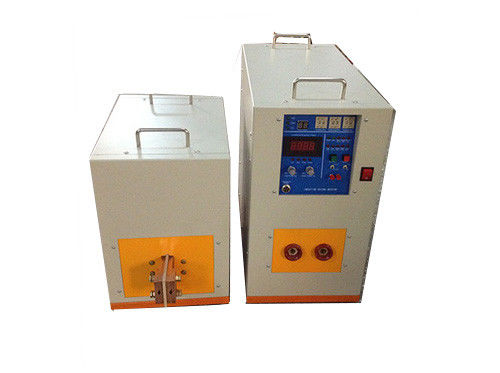
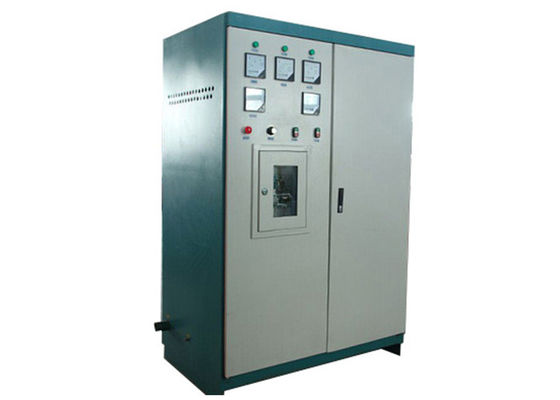
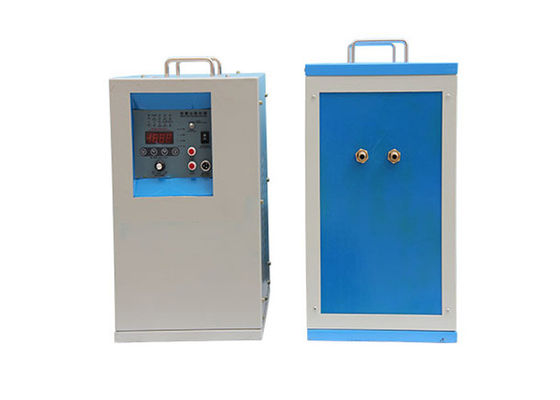
In the metal melting industry, the Medium Frequency (MF) Melting Furnace has become the preferred equipment for modern foundries and metallurgical plants, thanks to its outstanding efficiency, energy savings, and flexibility. However, with numerous brands and models on the market, understanding its core principles and making an informed purchase decision can be challenging.
This article simplifies the complex, providing you with The Ultimate Guide to Medium Frequency Melting Furnaces, from core principles to practical purchasing advice.
Simply put, a Medium Frequency Melting Furnace is a highly efficient "energy converter." Its workflow can be summarized in four core steps:
Rectification: Converts standard 50/60 Hz three-phase AC power from the grid into Direct Current (DC).
Inversion: This is the core process. Advanced power components like IGBTs invert the DC into Medium Frequency AC power (typically 200-3000 Hz).
Induction: This medium frequency current passes through a water-cooled copper coil, generating a high-intensity, rapidly alternating magnetic field.
Eddy Current Heating: The alternating magnetic field penetrates the metal charge (e.g., scrap steel, iron chips), inducing powerful eddy currents within it. As these currents overcome the electrical resistance of the metal, they generate intense heat directly inside the material according to Joule's Law, melting it from within.
Key Insight: This "internal heating" method is extremely efficient, avoiding the significant heat loss associated with external heating methods like flame furnaces. The strong electromagnetic stirring effect ensures exceptional homogeneity of the molten metal's composition and temperature.
Why are MF furnaces gradually replacing traditional mains frequency furnaces? This comparison table makes it clear.
| Comparison Dimension | Medium Frequency Melting Furnace | Power Frequency Melting Furnace |
|---|---|---|
| Working Efficiency | ⭐⭐⭐⭐⭐ (Fast melting speed, saves >30% time) | ⭐⭐⭐ (Slow melting speed) |
| Energy Cost | ⭐⭐⭐⭐⭐ (High electrical efficiency, 15-20% less energy) | ⭐⭐⭐ (Higher energy consumption) |
| Operational Flexibility | ⭐⭐⭐⭐⭐ (Cold charge start, one-power-two-furnace) | ⭐⭐ (Requires molten starter heel) |
| Metal Quality | ⭐⭐⭐⭐⭐ (Strong stirring, uniform composition, low loss) | ⭐⭐⭐ (Gentle stirring, potential segregation) |
| Maintenance & Lifespan | ⭐⭐⭐ (Inverter components need expert care) | ⭐⭐⭐⭐ (Simple structure, high reliability) |
Conclusion: For users prioritizing high efficiency, low energy consumption, and flexible production, the Medium Frequency Melting Furnace is unequivocally the superior choice.
Avoid common pitfalls. Follow these 8 rules to maximize your return on investment.
Determine Power & Capacity: Base your choice on your maximum batch size and production cycle. Avoid under or over-powering.
Inspect Core Components: Focus on the inverter type (e.g., IGBT), capacitor brand, and copper tube quality. These dictate longevity and stability.
Evaluate the Cooling System: Prioritize a closed-loop water cooling system. It prevents scale buildup, protecting the coil and power supply, crucial in harsh environments.
Check Automation Level: Modern MF furnaces should feature PLC and touchscreen controls for one-touch melting, fault diagnosis, and data logging, reducing operator dependency.
Prioritize Supplier Support: Choose a manufacturer that offers on-site installation, lining training, and rapid after-sales service. This is often more critical than the hardware itself.
Compare Energy Metrics: Directly ask suppliers for their specific energy consumption (kWh/ton) and compare.
Verify Safety Features: Ensure comprehensive protection against over-current, over-voltage, under-voltage, phase loss, and over-temperature.
Calculate Long-Term Cost: Don't just look at the initial price. Consider the total cost of ownership: purchase price, energy use, maintenance, and gains from increased productivity.
"How much does a Medium Frequency Melting Furnace cost?" Prices vary widely, from tens of thousands to millions of dollars, influenced by:
Power & Capacity: The primary cost factor.
Technical Configuration & Brands: Imported core components (e.g., Infineon IGBTs) cost more but offer greater reliability.
Automation Level: Fully automatic models are significantly more expensive than semi-automatic ones.
Manufacturer Scale & Service: Established brands often include better after-sales support in their pricing.
Pro Tip: The best way to get an accurate quote is to provide your specific requirements (e.g., metal type, target temperature, output) to several reputable suppliers.
They are suitable for almost all metal melting scenarios:
Steel & Iron Metallurgy: Melting and holding of alloy steel, stainless steel.
Non-Ferrous Metals: Ideal for melting copper, aluminum, zinc, and precious metals.
Precision Casting: The preferred choice for investment casting and die-casting.
Recycled Metals: An efficient solution for scrap metal recycling.
Choosing the right Medium Frequency Melting Furnace is a strategic investment in your company's long-term competitiveness. By deeply understanding its working principle and following a scientific selection process, you can find the powerful tool that will reduce your costs, improve efficiency, and enhance product quality.
Call to Action: Contact the technical experts at [Your Brand Name] today for a free equipment selection consultation and a customized quote. Take the first step towards upgrading your production!
Q1: Is the electromagnetic radiation from an MF furnace harmful?A1: Equipment from reputable manufacturers complies with international EMF safety standards. The magnetic field is effectively contained within the furnace body and is harmless to operators at a safe distance.
Q2: What is the typical lifespan of the furnace lining (crucible)?A2: Lining life varies with the metal melted, operating temperature, and maintenance. Typically, it lasts 200-300 heats for cast iron, 100-200 for cast steel, and over 400 heats for copper alloys. Proper ramming and sintering are critical.
Q3: Does an MF furnace require a dedicated transformer?A3: Yes. MF furnaces are high-power devices and usually require a dedicated transformer sized for the total equipment power to ensure grid stability and operational safety.
Q4: Can an MF furnace be used for gold refining?A4: