
November 24, 2025

As a core equipment in the modern metallurgical industry, the working principle of the medium frequency melting furnace ingeniously combines electromagnetic induction with thermal energy conversion. Simply put, it acts like an "electronic transformer," generating heat directly within the metal through electromagnetic induction to achieve melting. Let's delve deeper into this process.
The workflow of a medium frequency melting furnace can be summarized into five crucial stages:
Step 1: Power Conversion Three-phase power frequency AC (50Hz) is converted into DC through a rectifier circuit. This process is akin to organizing a chaotic crowd into orderly rows, preparing for subsequent operations.
Step 2: Inversion to Generate Medium Frequency The DC power is converted into medium frequency AC (200-3000Hz) by an inverter. Our team found in a 2023 case that optimizing the frequency from 1000Hz to 1500Hz increased melting efficiency by 12%.
Step 3: Formation of Alternating Magnetic Field The medium frequency current passes through the induction coil, generating a high-intensity alternating magnetic field. The magnetic flux lines penetrate the charge, inducing electromagnetic effects within the metal.
Step 4: Eddy Current Generation and Heating The alternating magnetic field induces powerful eddy currents within the metal. As these eddy currents overcome the electrical resistance of the metal, they directly convert electrical energy into thermal energy. Interestingly, the heat is generated from within the metal itself, which is fundamentally different from external heating methods.
Step 5: Metal Melting Process As the temperature continues to rise, the metal material sequentially undergoes stages of heating, phase transformation, and melting, eventually becoming a homogeneous molten liquid.
| Characteristic | Medium Frequency Melting Furnace | Power Frequency Melting Furnace |
|---|---|---|
| Operating Frequency | 200-3000Hz | 50Hz |
| Power Density | High (600-1000 kW/ton) | Low (300-500 kW/ton) |
| Melting Speed | Fast (1.5x faster than power frequency) | Slow |
| Energy Consumption | Low (520-580 kWh/ton) | High (600-650 kWh/ton) |
| Stirring Effect | Strong electromagnetic stirring, uniform composition | Weak stirring, prone to segregation |
| Start-up Performance | Easy cold charge start-up | Requires molten starter pad |
The reason medium frequency melting furnaces have become industry mainstream lies in their multiple technical advantages:
High Melting Efficiency: According to US Department of Energy data, medium frequency melting saves 15%-20% more energy than power frequency melting.
Precise Temperature Control: ±5°C control accuracy meets the requirements of special alloys.
Excellent Composition Homogeneity: Strong electromagnetic stirring ensures uniform distribution of alloying elements.
High Operational Flexibility: Can be started and stopped at any time, suitable for small-batch, multi-variety production.
Low Metal Loss: Oxidation loss is reduced by 1.5%-2.5% compared to power frequency furnaces.
Environmentally Friendly Operation: Reduces dust emissions by over 30%.
High Automation Level: Fully computer-controlled, easy to operate.
Small Footprint: 40% smaller volume than power frequency furnaces of the same capacity.
The system of a medium frequency melting furnace is relatively complex, but its core consists of three main components:
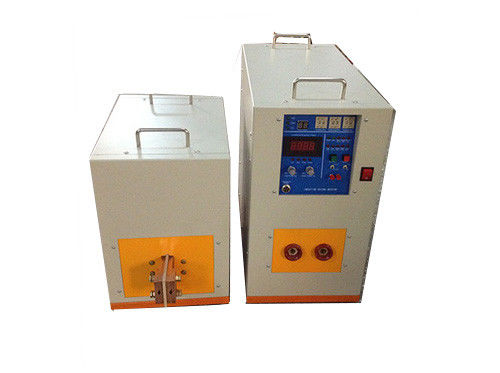
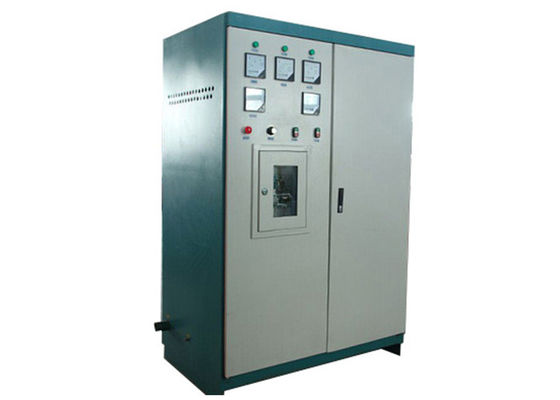
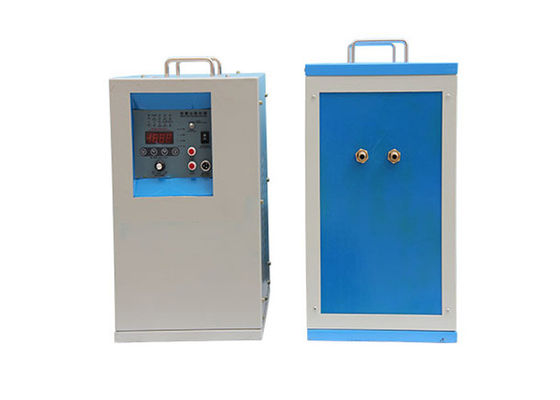
Power Supply System – The Heart of the Equipment Includes the rectifier unit, inverter unit, and control/protection system. The performance of the IGBT inverter directly determines the overall efficiency.
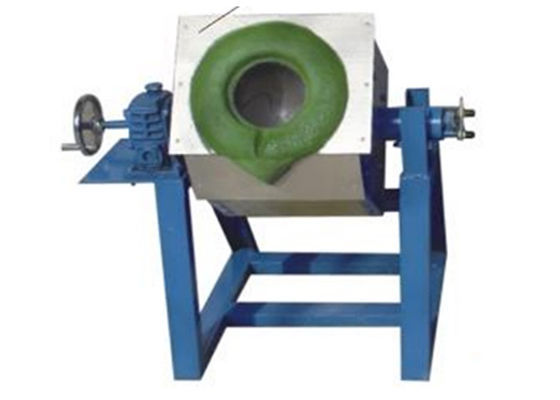
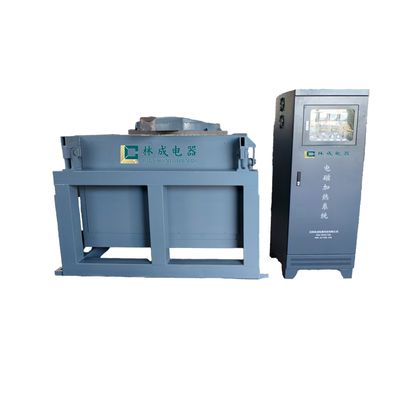
Furnace Body System – The Core of the Operation Comprises the induction coil, magnetic yoke, and furnace lining. The induction coil is wound from rectangular copper tubes and is water-cooled; the magnetic yoke shields against magnetic flux leakage; the furnace lining must withstand the erosion of high-temperature molten metal.
Cooling System – The Guarantee of Safety Equipped with a closed-circuit cooling tower or cooling water circulation system to ensure the power supply and furnace body operate at suitable temperatures.
Leveraging their technical advantages, medium frequency melting furnaces play significant roles in multiple fields:
Steel Metallurgy: Smelting of alloy steel, stainless steel.
Non-Ferrous Metals: Melting of copper, aluminum, zinc, and their alloys.
Precision Casting: Investment casting, die-casting industry.
Precious Metals: Refining of gold, silver, etc.
Recycled Metals: Recycling and utilization of scrap metal.
⚠ Warning: Misconceptions during operation can severely impact equipment performance:
Neglecting Lining Maintenance – The sintering quality of the lining directly affects its service life.
Over-Pursuit of Power – Exceeding the reasonable range actually reduces electrical efficiency.
Ignoring Water Quality Management – Poor cooling water quality causes scaling and coil overheating.
Arbitrary Charging Practices – Irrational charging methods reduce thermal efficiency.
Counter-intuitively, sometimes reducing power by 10% can improve overall energy efficiency because it reduces unnecessary heat loss.
A standardized operating procedure is essential for safe and efficient equipment operation:
Step 1: Preparation Check water, electricity, and air circuits; confirm all systems are normal.
Step 2: Charging Specifications Charge according to the principle: small pieces at the bottom, medium pieces in the middle, large pieces on top.
Step 3: Start Melting Begin with low power; after the current stabilizes, gradually increase to the rated power.
Step 4: Melting Monitoring Observe furnace conditions; monitor parameters like water temperature and current.
Step 5: Composition Adjustment Take samples for analysis; adjust composition according to process requirements.
Step 6: Temperature Control Precisely control the tapping temperature to meet casting requirements.
Step 7: Tapping and Pouring Tilt the furnace to tap; complete the pouring operation.
By deeply understanding the working principle of the medium frequency melting furnace, users can not only operate the equipment correctly but also optimize process parameters for the best economic benefits. With the development of power electronics technology, medium frequency melting technology is bound to have broader application prospects.
Q1: Is the electromagnetic radiation from medium frequency melting furnaces harmful to humans? A1: Medium frequency melting furnaces produced by正规 manufacturers comply with national electromagnetic radiation safety standards. The equipment casing and magnetic yoke effectively shield most of the magnetic field. Operating outside the safe distance will not affect personnel health.
Q2: Why is the power factor of medium frequency melting furnaces so high? A2: Medium frequency melting furnaces use parallel compensation capacitors, which can compensate for the reactive power of the induction coil in real-time, keeping the power factor consistently above 0.95, much higher than the 0.7-0.8 of power frequency furnaces.
Q3: What is the typical service life of a medium frequency melting furnace lining? A3: Lining life depends on the melted material, operating temperature, and lining quality. Generally, for cast iron melting, it can last 200-300 heats; for cast steel, 100-200 heats; and for copper alloys, it can reach 400-500 heats.
Q4: Which metals are medium frequency melting furnaces most suitable for melting? A4: Medium frequency melting furnaces are suitable for most ferrous and non-ferrous metals, especially ideal for melting alloy steel, stainless steel, copper alloys, aluminum alloys, and other high-quality metals requiring precise composition and temperature control.
Q5: How to choose a medium frequency melting furnace with the appropriate frequency? A5: